Saskia
 Planning a trip to Tanzania? Discover what I wish I knew before visiting Tanzania, from hidden costs to cultural insights. Avoid rookie mistakes and travel smarter.
Before I moved here, I had no idea what to expect. There were a few things I really wish I had known ahead of time, for example that good desserts are hard to find…
Jokes aside, some extra advance knowledge could have saved me money or frustration, would’ve helped me relax sooner. If you’re heading to Tanzania for the first time, here’s a rundown of what I wish I knew before visiting Tanzania, so you can enjoy your travels with fewer surprises.
👉 If you haven’t packed yet, my Tanzania packing list covers the items I mention below and more.
Cash is King — Especially Outside Cities
Tanzanians widely use a mobile payment system called Mpesa, which is very convenient but not for those without a local bank account. Major hotels, shops, and tourist spots in Arusha or Dar accept cards, but most daily expenses, like local meals, taxis, markets, and smaller lodges, are cash-only. Some places have card machines but they don’t always work. So it’s best to always have some cash on hand.
Currency is another issue to be aware of. Many hotels and tour operators may request payment in US dollars, but officially it is illegal in Tanzania to request payment in a foreign currency. In any event, it is best to carry Tanzanian shillings.
Do keep in mind that ATMs can be unreliable or empty, especially in rural areas.
Tip: Withdraw Tanzanian shillings in a major city when you arrive, make sure you have enough for some time, and always carry small bills.
ATM withdrawal fees can also be considerable and vary quite a lot, so especially if you are staying longer it’s worth finding out which ones charge less for your card.
The Roads Can Be Rough (and Long)
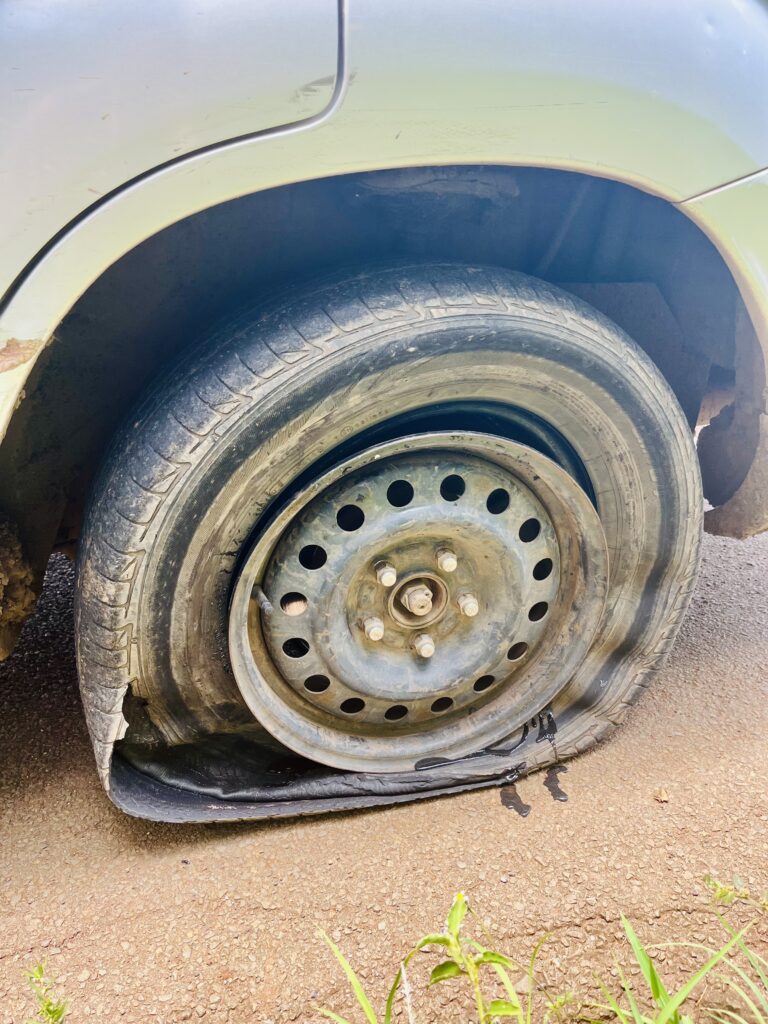
Tanzania is vast, and travel takes longer than expected. A journey that looks short on a map can easily take twice as long due to road conditions, rain, traffic, or checkpoints. What looks like a 3-hour drive on Google Maps may take double that, especially on dirt roads after rain.
Also, Google Maps is often not reliable here!
What helps most is planning loosely, avoiding tight schedules, and accepting delays as normal rather than stressful.
Tip: Plan extra time between destinations, especially if you’re headed to remote parks or villages.
Bureaucracy Can Be Inconsistent
Official rules exist, but they are not always applied consistently. A common example is the situation of establishments requesting payment in dollars. But also the yellow fever certificate. While it is officially required only when entering from a risk country, travelers from other places are sometimes asked for it anyway.
Lesson learned: If you have a document, bring it. It is easier than explaining why you technically should not need it.
See also Tanzania Visa Requirements and Entry Regulations.
Roadside Checks and Informal Payments
One thing I found a bit shocking to get used to is how common bribes are, particularly during roadside police checks.
Care are regularly stopped for minor or unclear reasons and asked to pay a “fine” on the spot. Or an officer may ask for “tea” or “lunch”. This does not tend to involve official paperwork, and the amount requested is usually small. It can feel uncomfortable if you are not expecting it.
A few things that may help in such a situation:
- Staying calm and polite at all times
- Asking for a written ticket or receipt
- Taking time rather than rushing or arguing
- Avoiding carrying large amounts of visible cash or flashy jewels/watches
In many cases, simply remaining friendly and patient is enough for the situation to resolve without payment.
Respect for Culture Goes a Long Way
Tanzanian culture is generally warm and welcoming, but modesty, respect, and patience are important. Rushing conversations or skipping pleasantries can come across as impolite, even if done unintentionally.
Things that can make a real difference:
- Greeting people properly before asking questions. Use “Shikamoo” or “Habari” (check my essential Swahili phrases).
- Dress modestly in towns and villages (especially as a woman)
- Don’t rush — time moves slower here, and that’s okay.
I find it fascinating how much Tanzanian culture prioritizes politeness and respect. Unlike in Western cultures where direct feedback is the norm, here, people often use a much more nuanced approach. It can be surprising at first to realize that admitting a mistake or offering a critique is rarely done openly, as the goal is almost always to keep the interaction ‘peaceful’ and respectful.
See also Cultural Etiquette and Traditions in Tanzania.
Safaris Are Magical… and Expensive
Safaris in Tanzania are bucket-list worthy, but costs add up fast, especially for solo travelers. National park fees, 4×4 rentals, guides, and accommodation can easily reach $200+ USD per day.
Budget tips:
- Group safaris significantly reduce costs
- Travel in the low season (March, April, May, and November)
- Lesser-known parks like Mikumi or Ruaha also offer excellent wildlife, at more accessible prices
- Budget safaris exist, but your expectations need to be realistic
See also: What to Expect on a Budget Safari in Tanzania.
Zanzibar Is More Than Beaches
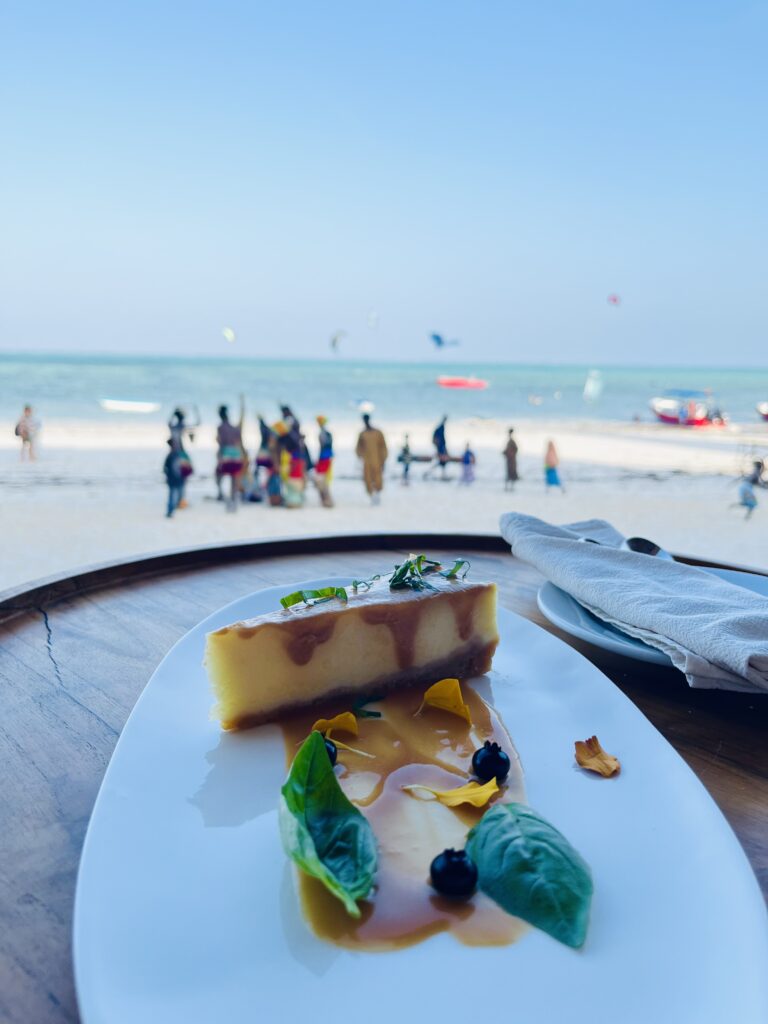
Most people fly into Zanzibar expecting only turquoise waters and white sand. While those are certainly there, the island is also culturally and politically complex. Stone Town has a deep history shaped by trade, colonialism, and slavery, and that history still influences daily life. While Zanzibar is part of Tanzania, the island’s status and its relationship with the mainland are complex and interesting.
Don’t skip: A spice tour, a dhow sailing trip, a walk around historical Stone Town.
See also:
Wi-Fi Is Not Always Reliable
Even in hotels that advertise wi-fi, don’t count on streaming or video calls. Internet is often slow or unstable, and outages are common.
What often works best is buying a local SIM card and using mobile data as a backup. Airtel and Vodacom are popular providers, but coverage depends on the region.
Your most convenient option is buying an eSIM online before you arrive, so that you are connected from the moment you land. Popular eSIM providers include Saily, Airalo, and Yesim.
Learn Basic Swahili — It Changes Everything
Learning a few basic phrases changes how people interact with you. Even small efforts are met with warmth and appreciation.
Start with:
- “Asante” = Thank you
- “Karibu” = Welcome
- “Pole pole” = Slowly, gently
- “Hakuna matata” = No worries (yes, it’s real!)
See also my list of essential Swahili phrases.
Prepare for Power Cuts
Power outages (locally called load shedding) happen regularly in parts of Tanzania. It’s wise to carry a power bank and a flashlight, especially in rural areas or during the rainy season.
It Gets Muddy and Dusty
During the rainy season, things can get real muddy in Tanzania. You should realize that not all roads are paved, especially outside urban areas. Flooding is not an exception. So don’t bring your nicest shoes.
During the dry season and on a safari, prepare to get dust everywhere. As I recommend in my packing list, wet wipes can be real nice to have.
Tanzania Is Safe, But Use Common Sense
Tanzania is generally peaceful. Violent crime is rare. But phones do get stolen, bags disappear when left unattended. Walking alone at night is rarely a good idea.
So like anywhere, use common sense and situational awareness:
- Don’t flash valuables
- Keep the amount of cash you carry limited
- Use trusted taxis or ride apps like Bolt (in Dar)
See also Tips for Health and Safety in Tanzania.
Final Thoughts: Travel With Openness
What I wish I knew before visiting Tanzania wasn’t just practical tips. It was how different daily life feels, in ways that often are neither better nor worse, just unfamiliar.
From spontaneous kindness to awe-inspiring landscapes, Tanzania offers so much more than a checklist of sights. Tanzania rewards patience, curiosity, and flexibility. If you arrive with an open mind and a relaxed attitude, the experience will be so much more enjoyable.
Related Tanzania travel guides:
- How to Prepare for a Trip to Tanzania: Travel Guide & Tips
- Tanzania Travel FAQ: Visas, Safety & More
- My ultimate packing list to prepare for your trip
- Is Tanzania Safe for Solo Female Travelers?