 Saskia
 Dar es Salaam is rarely the main goal of a Tanzania itinerary, yet for many travelers it is the first real encounter with the country beyond tourist tracks. Often treated as a stopover on the way to Zanzibar or a safari, Dar is busy, messy, and very East African. It is not a polished tourist city, but that might be exactly what makes it interesting.
This Dar es Salaam travel guide focuses on what you can realistically expect, what there is to do beyond the obvious, and whether the city is actually worth your time. It covers the city’s overall vibe, things to do, neighborhoods, and more. You can also check out my more detailed guides on Dar activities, places to eat, and nightlife.
If you are deciding whether to spend a few day or skip Dar es Salaam altogether, this guide will help you make that call.
What Is Dar es Salaam Like?
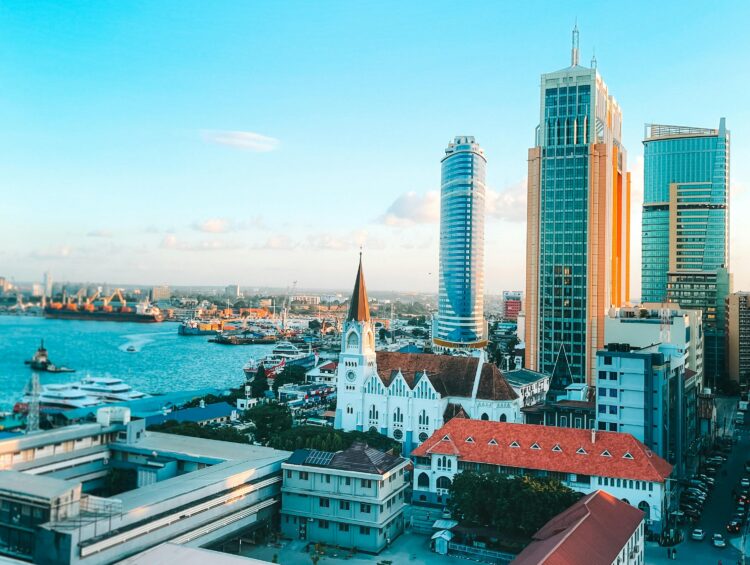
Dar es Salaam is Tanzania’s largest city and economic heart. It’s not the capital, that’s Dodoma.
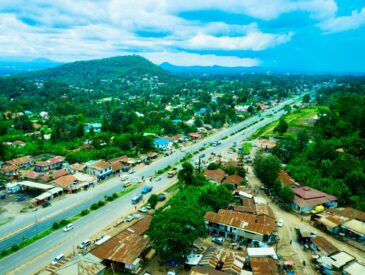
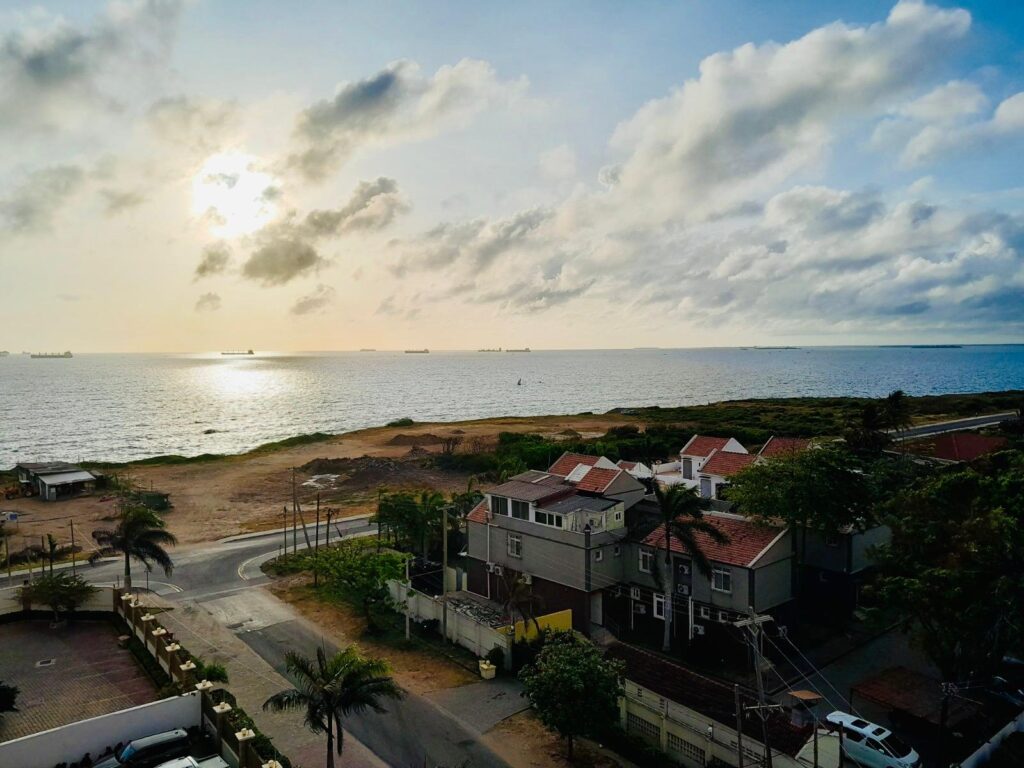
Dar feels very different from a typical tourist destination. It is busy, chaotic at times, messy, and the heat often feels like a heavy, humid blanket. Expect lots of traffic and noise in one of the fastest growing metropolises of the world. At the same time, Dar has palm-lined beaches, some surprisingly cosmopolitan restaurants, and lively nightlife.
This is not a pretty town. Dar es Salaam is a working city, shaped by trade, port activity, universities, and local neighborhoods.
Climate
If you are coming from Arusha or the highlands, the Dar climate will be a shock. While Arusha can get quite chilly at night (down to 55°F/13°C), Dar stays hot. The main difference is the humidity. In the coastal region, the heat feels “heavier.” I find that as long as you have shade and a cold drink, it’s manageable, but don’t expect to do a lot of walking during the day. Most life in Dar happens in the early mornings or after the sun goes down when the air finally starts to move.
Traffic
Dar is a sprawling city, and getting from A to B is usually the most frustrating part of the day. Traffic is a constant factor here, and a short trip can easily turn into a multi-hour ordeal if you time it wrong.
When moving around, I always recommend Bolt. It’s safer and more transparent than hailing a taxi on the street. That said, even technology can’t save you from “Tanzanian planning.” I once took a Bolt, only for the car to run out of gas right in the middle of a busy intersection. It’s the kind of situation where you just have to laugh, shrug, and wait.
Is Dar es Salaam Worth Visiting?
As always, the answer to this question depends largely on what you are looking for. If your goal is iconic sights, luxury resorts and peaceful comfort, Dar may feel underwhelming compared to Zanzibar or a safari destination.
However, Dar has a more cosmopolitan energy compared to places like Arusha and Moshi. Especially in areas like Masaki and Oyster Bay, you’ll find people from all over the world and a food scene that is easily the best in the country. Nightlife is more vibrant than elsewhere too. While in Arusha region you’ll meet mostly tourists, young volunteers, and people working in the safari industry, and in Zanzibar mostly tourists and digital nomads, Dar has a larger variety of people, including professionals, both local and expats.
So if you want to see what modern Tanzania is really like, Dar can be very rewarding. It works well as a short stop before or after a safari or as a base for coastal trips.
Top Things to Do in Dar es Salaam
Dar has a few touristic sights that can be explored. I would strongly recommend doing this on a guided tour to avoid the hassling of having to get yourself around in Dar’s crazy traffic. On my visits, I mostly just enjoy the feel of the city, the coast and the restaurants and nightlife.
Below is a high-level overview of what Dar has to offer. For detailed recommendations, itineraries, and practical tips, see my full Things to Do in Dar es Salaam guide.
Coast and nearby islands
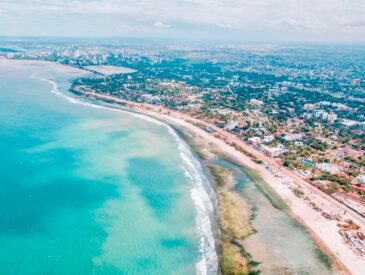
Dar sits right on the Indian Ocean, and the coastline is probably its best feature. If the humidity in the city gets too heavy, the best thing you can do is get on a boat or beach. Popular spots include Coco Beach, Msasani Peninsula, and day trips to nearby islands such as Bongoyo and Mbudya. These are ideal for swimming, boat rides, seafood lunches, and escaping the city heat.
Markets and neighborhoods
Exploring local markets and neighborhoods is one of the best ways to understand the city. Kariakoo market or Kivukoni fish market offer a raw, energetic look at daily life and trade, while areas like Oyster Bay, Upanga, and Masaki show very different sides of Dar. Exploring various areas helps you understand the city and country beyond tourist highlights.
Culture and history
Dar es Salaam has a layered history shaped by Swahili culture, colonial rule, and post-independence Tanzania. Museums, historic buildings, and cultural centers provide insight into this background, especially when combined with walking around older parts of the city.
→ Read more: Things to Do in Dar es Salaam
Food Scene in Dar es Salaam
If you’re coming from a safari or a smaller town like Moshi, the food in Dar es Salaam will be a massive highlight. The food scene is easily the most sophisticated in the country; you can find everything from authentic Indian curries and Italian pasta to high-end sushi.
You will find everything from simple street snacks to refined dining, often within the same neighborhood. Expect fresh seafood, Indian curries, and Swahili dishes.
International and Fine Dining
Most of the “polished” dining is concentrated in Masaki and Oyster Bay. Whether you want a steak with a sunset view, grilled seafood, sushi, or a quiet garden cafe with reliable Wi-Fi, the Peninsula is where you’ll spend most of your evenings.
Street Food
On the other side of the spectrum is the local food, which is just as central to the Dar experience. Street food comes alive in the evenings. You’ll see smoke rising from grills on almost every corner as vendors start preparing mishkaki (marinated meat skewers) and chips mayai (an iconic Tanzanian french fry omelet).
While it’s a great way to eat like a local, I always tell people to be a bit selective, as hygiene standards are not the same and digestive issues not an exception. It helps to pick spots that are busy (a good sign of fresh turnover).
Looking for specific restaurant recommendations? See my curated list of the Best Restaurants in Dar es Salaam.
Dar es Salaam Nightlife
If you’ve spent time in Arusha or up-country, the first thing you’ll notice about Dar’s nightlife is that it’s on a completely different scale. It isn’t just a few bars for tourists; it is a massive, varied scene that stays active late into the night. It’s easily the most diverse social environment in the country, where you’ll find a mix of locals and expats from all over the world.
What to expect
Nightlife in Dar centers around bars, lounges, live music venues, and beachside spots rather than clubs (although they exist). Many of the best nights start at a restaurant or a beach bar and naturally transition into a party as the sun goes down. Popular nights are usually Friday and Saturday, with a more relaxed vibe during the week.
The vibe is generally social, high-energy, and packed. It’s one of the few places in Tanzania where you can find a quiet, high-end rooftop bar for a gin and tonic and, five minutes away, a packed dance floor playing the latest Bongo Flava hits.
Where travelers tend to go out
Most visitor-friendly nightlife is concentrated in Masaki, Oyster Bay, and parts of Msasani. These areas have a mix of bars, rooftop lounges, beach venues, and restaurants that stay lively into the evening. Local neighborhoods have vibrant social scenes too, but they are not as easy/safe to navigate if you are unfamiliar with the city.
Safety and practical considerations
Nightlife is generally safe if you stick to well-known venues and use taxis or ride-hailing apps like Bolt. Do not walk between venues at night, unless the street is full and you’re in a group. Dress codes are usually casual-smart rather than beachwear. As in many places, do not leave your drink unattended, because spiking happens.
For venue suggestions depending on your style, see my full Dar es Salaam Nightlife Guide.
Getting Around Dar es Salaam
Dar es Salaam is a sprawling city, and getting from A to B can take longer than you might expect. Traffic is heavy during peak hours, and streets are not always well marked, so planning your routes, and allowing for extra time, is advisable.
Main transport options:
- Ride-hailing apps: Bolt is available, and safer than hailing taxis on the street. It’s convenient and usually affordable.
- Taxis: Metered taxis exist but rates vary widely, and drivers may overcharge, especially if you don’t agree on a price first.
- GetTransfer.com is a great new option to pre-book your ride, after comparing driver profiles, prices and ratings.
- Public transport (dala-dalas): Mini-buses called dala-dalas are the cheapest option but crowded, slow, and not very tourist-friendly.
- Bajajis (three-wheeled auto-rickshaws) are a good option for short stretches.
- Car hire: Renting a car gives flexibility but navigating Dar can be stressful due to traffic, police stops, confusing routes, and parking challenges.
- Mototaxis are available but not recommended because they are not very safe.
Tips for travelers:
- Avoid driving yourself if it’s your first time; ride-hailing is safer and easier.
- Allow extra time for travel, especially during morning and evening rush hours. Particularly the road to the airport gets really busy during rush hours, so allow plenty of extra time to avoid missing your flight.
- If using public transport, be ready for a very local experience, and keep valuables secure.
Best Neighborhoods to Stay in Dar es Salaam
Dar es Salaam has a variety of neighborhoods, each with its own vibe. Choosing the right area can make your stay easier and more enjoyable.
Top areas for visitors:
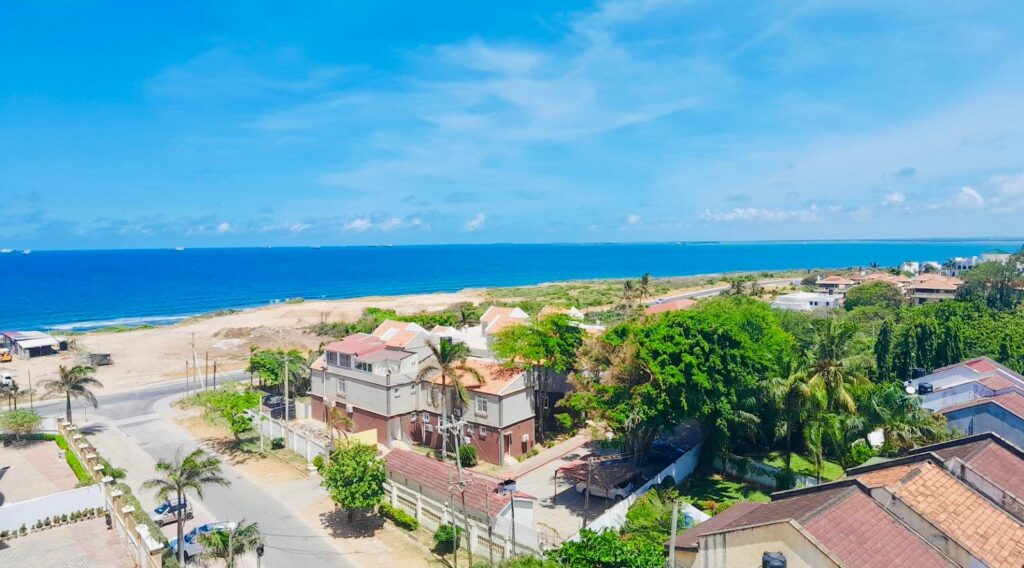
- Msasani/Masaki & Oysterbay – Upscale, coastal, quieter, close to beaches and good restaurants. This is my favorite area, and I would recommend it especially to people not too comfortable (yet) diving into the full-on local experience.
- Mbezi Beach – Calm coastal area further out of town, not too far from the nightlife and restaurants of Masaki/Oysterbay.
- City Center – Convenient for business travelers and easy access to major landmarks. For those comfortable staying in local settings, not suitable for walking around at night.
- Upanga – Not touristy but reasonably safe and peaceful, centrally located.
Tips for choosing a neighborhood:
- Pick a location close to the main activities you want to do to save travel time.
- Consider safety and comfort; some areas are lively but not ideal at night.
- For first-time visitors, staying near the coast or in Oysterbay balances convenience and a more relaxed environment.
For a full guide on hotels, guesthouses, and practical tips by neighborhood, check out my Where to Stay in Dar es Salaam post.
Dar es Salaam as a Base for Travel in Tanzania
Dar es Salaam is also a convenient hub for reaching other parts of Tanzania. Its international airport connects to Zanzibar, Kilimanjaro, and other domestic destinations like Selous, Mikumi, and Ruaha National Parks.
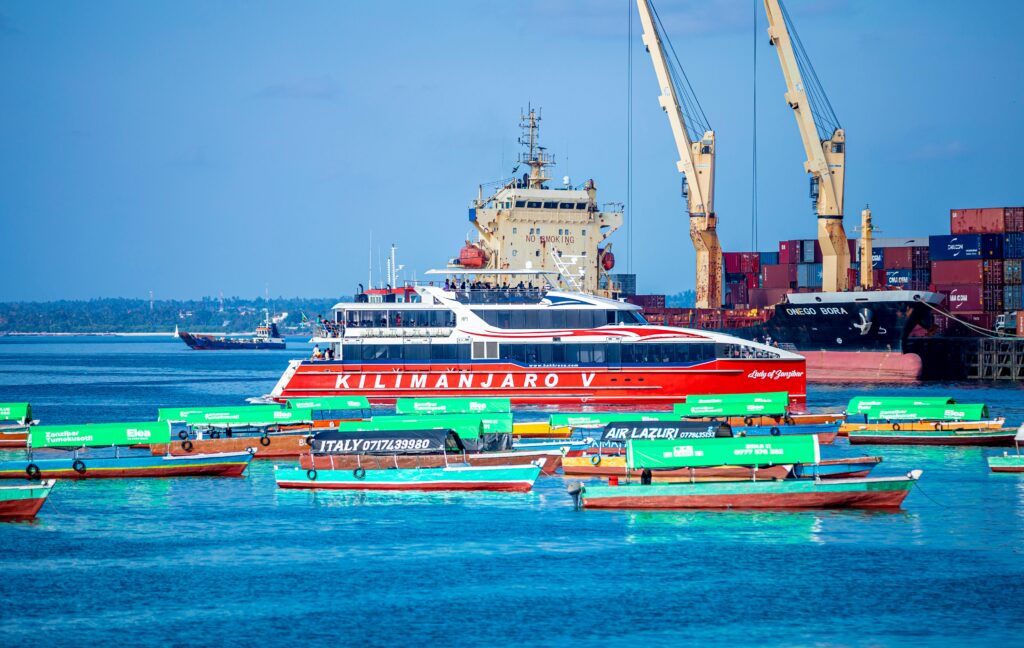
Ferries and speedboats make it easy to visit nearby islands such as Bongoyo, Mbudya, and Pemba. Many travelers use Dar as a starting point for safaris in northern or southern circuits, combining city life with wildlife adventures.
Many people also take the ferry from Dar to Zanzibar. Whether this is for you really depends on the kind of traveler you are though. The ferry terminal gets chaotic and messy, and scams happen. Some enjoy this full-on African experience, some may be better off taking a plane instead.
Practical Tips and Safety Basics
Dar es Salaam is generally safe for travelers, but common-sense precautions go a long way.
- Keep your belongings secure, avoid walking alone at night in unfamiliar areas, and don’t flash expensive jewelry.
- Cash is useful for markets and taxis, but always use licensed taxis or ride-hailing apps.
- Learn a few Swahili phrases – locals appreciate it and it is useful in everyday interactions.
- Stay hydrated and protect yourself from the sun, especially when exploring the coast or islands. Make sure your vaccinations are up to date and check local advice for mosquito precautions.
- If you have flexibility as to when to go, I would recommend avoiding December/January, as Dar gets really hot and humid.
For more about this, see my post Tips for Health and Safety in Tanzania.
Final Thoughts on Visiting Dar es Salaam
I don’t want to sugarcoat it: Dar can be full of surprises and practical challenges. It’s loud, crowded, hot, and traffic is crazy. But if you go in knowing what to expect, you can have a very enjoyable time. It’s a city with soul, great food, and a very real look at life in East Africa.
For detailed suggestions on what to do, eat, and where to go at night, check out my posts on Things to Do in Dar es Salaam and Dar es Salaam Nightlife.
You may also like:
- Top Things to Do in Dar es Salaam (2026): Culture, Coast, and Local Life
- Tanzania Packing List
- Zanzibar Travel Guide: Beaches, Food, and Culture
- Ultimate Tanzania Safari Guide
This page contains links through which I may earn a commission, at no additional cost to you.