Saskia
 Are you planning a trip to Tanzania? Whether you’re setting off on a safari adventure, heading to the beautiful beaches of Zanzibar, or climbing Mount Kilimanjaro, knowing what to pack for Tanzania is essential for a comfortable and safe journey. In this guide, I will walk you through everything you need to bring for your Tanzanian adventure. From clothing essentials to health and safety items, here are my personal recommendations.
As a general matter, especially if you are visiting from a different continent, keep in mind that Tanzania is a very different country, with – probably – a lower level of development than yours. The stores and brands you are used to at home are most likely not available. So if you have certain favorites, for example toiletries, cosmetics, or snacks, consider bringing them with you.
Now let’s dive into travel essentials.
Essential Travel Documents and Items
Before you dive into packing your clothes and gear, make sure you have all your important travel documents and essentials sorted:
- Passport: Ensure that your passport is valid for at least six months beyond your planned departure date.
- Visa: Check if you need a tourist visa for Tanzania. Many nationalities can obtain an eVisa before traveling, while others can get a visa on arrival.
- Proof of yellow fever vaccination. Depending on where you come from, this may be an essential requirement for entry into the country.
- Travel Insurance: Don’t forget to get travel insurance that covers medical emergencies, trip cancellations, and lost luggage.
- Flight Tickets and Itinerary: Keep a copy of your flight tickets and travel itinerary on hand.
- Photocopies: Make copies of your passport, visa, and travel documents to keep in a safe place in case of loss or theft.
For everything on visas and how to request them, see Tanzania Visa Requirements and Entry Regulations: Everything You Need to Know (including Zanzibar) in 2026.
Packing Basics
Depending on how many different things you will be doing, and how long you travel for, it can be challenging to fit everything into your luggage. Enquire with your safari company before traveling how much luggage you can take in the safari vehicle and/or whether your large suitcase can be stored somewhere safely.
For traveling larger distances, like between Arusha and Serengeti, you may take a small local plane. These have stricter weight limits and often accept soft-sided luggage only. It’s worth checking this before leaving home!
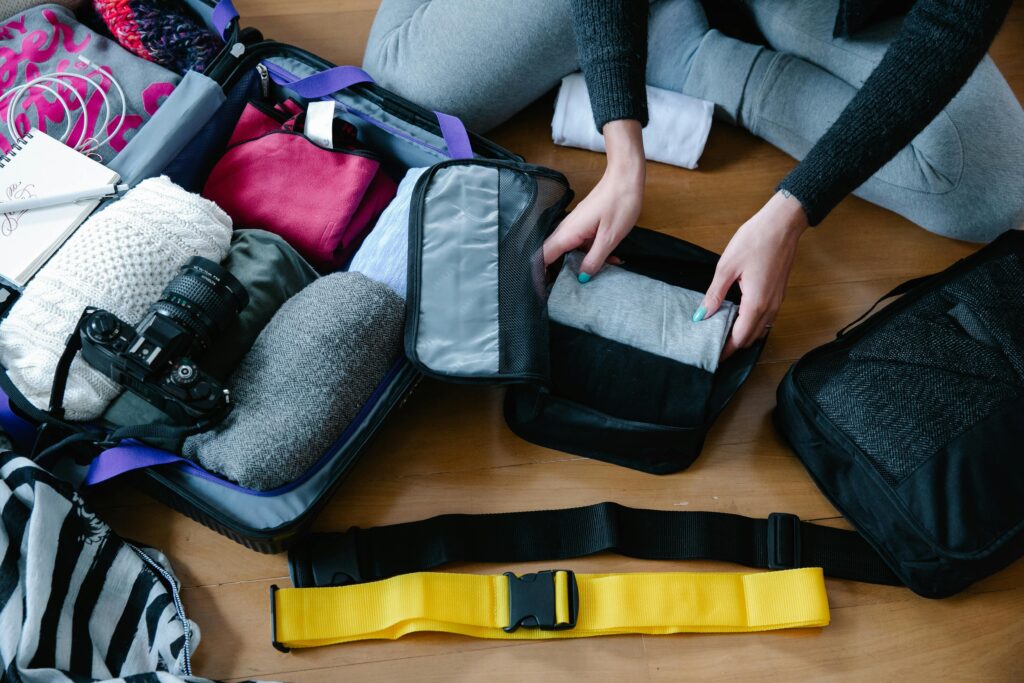
It helps that lodges/camps are often able to do laundry for you (enquire beforehand!). But in any event: pack economically. Some tips for that:
- In case you plan on taking small local planes, you will probably need soft-sided luggage, like a duffel. This extendable duffel bag with wheels is particularly handy.
- Packing cubes are essential for efficient use of your luggage.
- Daypack: A small backpack for carrying water, snacks, camera gear, and sunscreen during your daily safari excursions while your large luggage remains elsewhere. This lightweight travel daypack will be convenient for your whole trip, while this rugged classic fits in perfectly with the safari aesthetic.
Clothing for Tanzania’s Climate
Tanzania has a variety of climates, from the hot and humid coastal areas to the cooler highlands (check out my post on the best time to visit Tanzania).
The weather can vary dramatically, so packing the right clothes is key. Here’s what to bring depending on your activities:
Safari Clothing
On safari, you’ll want to wear lightweight, breathable clothing that’s also practical and comfortable. It’s important to avoid dark colours because these attract tse tse flies, and they have a nasty sting! White or delicate clothing is not a good idea either, because you will get quite dusty, and stains could be challenging to remove.
- Neutral-colored clothing: Opt for khaki, olive, and light brown clothes – these blend in with the surroundings and don’t attract insects. For example this cute shirt or this suit for women, and this shirt for men.
- Light, breathable fabrics: Cotton or linen pants and shirts are perfect for hot weather during the day.
- Footwear: Unless you’re doing a walking safari, on most safaris you’re seated inside the car most of the time, so you just need light shoes for the hot weather. Closed shoes feel a little more protected against insects, dust and mud. But many people also like slides or Crocs that you can easily slip out of to stand on the seats for better views.
- Sun protection: A wide-brimmed hat or one with a neck flap, sunglasses, and sunscreen (SPF 30+) are essential to protect yourself from the sun.
- Light jacket or sweater: Early mornings and evenings can be surprisingly chilly on safaris, so bring a light jacket for cooler temperatures, such as this one for men or this one for women.
- Sports bra: my fellow ladies, a safari gets bumpy. All day. Trust me on this one.
Zanzibar and Beach Clothing
If you plan to spend time at the beach in Zanzibar, you’ll need some specific items:
- Swimwear: Pack a swimsuit for swimming and sunbathing.
- Cover-up: A lightweight sarong or easy beach cover-up for walking around the beach or visiting cafes.
- Comfortable clothing: Loose, breathable clothing to keep cool while exploring the beaches and streets.
- Flip-flops or sandals: Ideal for the beach or casual outings.
- Modest clothing for when you go into Stone Town or villages: like a dress that covers shoulders and knees, not very tight or revealing.
- Water Shoes: Handy if you plan to walk out over the tidal flats at low tide on the east coast (Paje, Jambiani) — the sand can hide sharp coral or sea urchins.
Mount Kilimanjaro Gear
If you’re climbing Mount Kilimanjaro, you’ll need extra layers for varying weather conditions at different altitudes:
- Trekking boots: Waterproof, sturdy boots are essential for the rugged terrain.
- Thermal clothing: Pack layers of thermal shirts and pants, as it can get quite cold at higher altitudes, especially at night.
- Waterproof jacket: A high-quality waterproof and windproof jacket will protect you from the elements.
- Hat, gloves, and scarf: For the colder temperatures at higher elevations.
Health Essentials
Tanzania is generally a safe destination, but you should be prepared for specific health and safety challenges. While some of these items can be bought in Tanzania, they are much less widely available and the quality is often not the same, for example insect repellent may not contain a high enough percentage of DEET, or none at all.
Here’s what you need to stay healthy during your trip:
- Insect Repellent: Tanzanian safaris and rural areas can have a high number of mosquitoes. Bring a strong DEET-based repellent to protect yourself from bites.
- Sunscreen: High SPF sunscreen (30+) is crucial due to the strong sun, especially if you’re spending time outdoors during the day. If you’re going to the beach as well, consider bringing a reef safe sunscreen.
- First-Aid Kit: Pack a basic first-aid kit with medications like pain relievers, band-aids, anti-diarrhea tablets, and prescription medications.
- Malaria Medication: If you plan to visit malaria-prone areas, consult with a doctor about bringing anti-malaria pills.
- Permethrin Spray: For an extra layer of protection, spray your clothes and tent fabric with permethrin spray before your trip — mosquitoes won’t land on treated fabric.
- Portable Mosquito Net: If you’re staying in budget accommodation or camping, it’s worth bringing your own portable travel mosquito net, since availability and quality vary a lot between lodges.
- Pill Organizer: If you’re taking daily malaria medication, a pill organizer is handy for keeping your schedule on track when you’re moving around a lot.
- Mosquito Coils or Repellent Balls: For extra evening protection on the veranda or around camp, mosquito coils or plant-based repellent balls are a simple low-tech backup.
- Hand Sanitizer: Carry a small bottle of hand sanitizer to stay clean when water isn’t available.
- Water Purification Tablets: In remote areas, water purification tablets or a portable water filter might be useful.
Safari and Wildlife Viewing Gear
A safari in Tanzania is one of the best ways to see incredible wildlife. Here’s the gear you’ll need to optimize your experience:
- Binoculars: A good pair of binoculars is essential for spotting wildlife at a distance during your safari. These extra compact ones are great if you don’t have much space left in your luggage.
- Camera: Bring a camera to capture Tanzania’s breathtaking landscapes and wildlife. A zoom lens is recommended for wildlife shots. This Canon PowerShot has superzoom especially for travel and wildlife photography. This mid-priced Canon also has very good ratings, and you could also get a specialized trail/game camera for night-time wildlife spotting. Consider bringing a lightweight travel tripod too.
- Notebook or journal and pen: For jotting down notes or documenting your safari adventures.
- Safari field guide book: Want to be able to instantly look up all safari information you might need, and record your memories too? Then this guide is perfect for you. Or get this light-weight pocket-sized folding guide as a fun tool for kids (or adults!) to tick off the animals you see.
👉 Choose your perfect safari in my guide comparing different parks
Electronics and Gadgets
Tanzania’s off the grid bush experiences can be very enjoyable, but some modern devices make your stay so much more enjoyable. Here’s what I recommend:
- Power Bank: A portable charger is essential for long days on safari or in remote areas where electricity may be unreliable.
- Travel Adapter: Tanzania uses mostly type G (UK) plugs, while in some places you’ll find type D outlets. Bring the right adapter or plug to charge your devices.
- Smartphone: Consider getting a local SIM card for affordable mobile data and communication while traveling.
- Camera and Accessories: Don’t forget extra batteries, chargers, and memory cards, and potentially a lightweight travel tripod.
- Portable fan: a life saver during those hot long safari rides, this rechargeable one lasts up to 18 hours.
- Rechargeable lamp: Tanzania frequently has power cuts. Most upscale lodges have a generator, but not all. To avoid finding yourself in the dark, you could bring a small rechargeable camping lantern, like this practical one.
Snacks and Water
Long days of sightseeing, safaris, and trekking can work up an appetite. Here’s how to keep your energy up:
- Energy Bars and Snacks: Pack your favorite protein bars, nuts, and trail mix for quick energy during safaris or treks. Keep in mind that many things are not as readily available as you may be used to at home. But if you’re into cashews, these are easy to find everywhere in Tanzania, even small shops on the way to your safari.
- Water Bottle: Staying hydrated is crucial, especially during safari or hiking. A reusable water bottle is a great eco-friendly option.
- Pro tip: Electrolyte Powders, for replenishing electrolytes during hot days on safari or in the mountains.
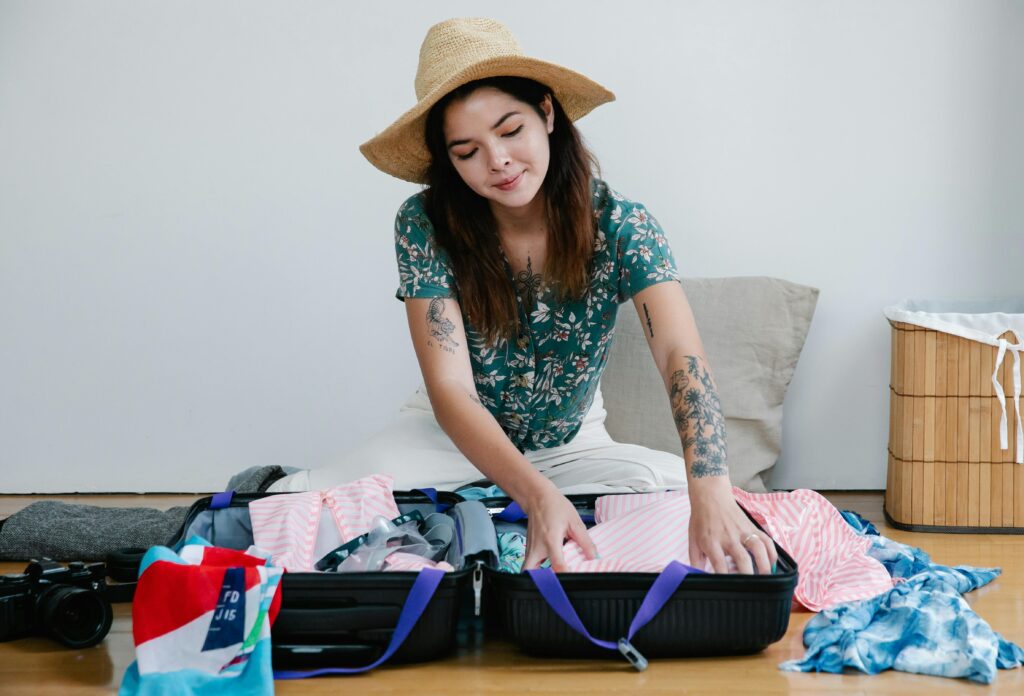
Miscellaneous Items
A few additional items to make your trip more enjoyable and organized:
- Travel Pillow: For comfort during long flights or bus journeys.
- Ziploc Bags: Perfect for keeping electronics safe from sand, dust, and water.
- Handkerchiefs or wet wipes: Useful for cleaning your hands or face after a long day of travel. It gets dusty!
- Travel Locks: Use locks for your luggage or daypack for extra security.
- Quick-dry towel: A lightweight quick-dry towel or a canga can come in handy on safari, at the beach, or when staying in simple accommodations that don’t provide towels.
- Lanyard: If you go out at night or to bars/clubs, consider wearing your phone on a lanyard under your clothes — phone theft is common.
- Money Belt: A money belt or hidden pouch is worth packing if you’re carrying cash or your passport around for the day, especially in busier areas.
- In case you have to go to the bathroom while on safari or a hike, and there isn’t any available: toilet paper or wet wipes, and a SaniGirl disposable pee funnel, as well as a ziploc bag to take trash with you.
- Aeropress: If you are a coffee lover like me, I strongly recommend bringing this with you. Tanzania does not really have a coffee culture, and the coffee there tastes quite different from other parts of the world. My personal favorite that I bring wherever I travel is the aeropress, because it is the easiest way to prepare great coffee on the go. Don’t forget to bring filters and your favorite coffee.
What Not To Pack
In Tanzania, you will find yourself in a very different environment than back home. Some items are just not much use here, and will unnecessarily make your bags heavier.
- Shoes with heels: The vibe is informal. Many roads are not paved, and especially in the rainy season things get real muddy, especially on safari. Plus, you want to be comfortable. So unless you’re planning on going out or attending formal events, I would leave your heels at home.
- Hair dryers: On safari, electricity is often limited. Many tented camps’ power systems do not provide enough power to support hair dryers. Conversely, some upscale lodges provide a hair dryer. It’s best to enquire with your accommodation before traveling.
- Camouflage or military-style clothing: This is illegal in Tanzania.
- Plastic bags are banned in Tanzania. However, if you arrive with a few plastic storage bags inside your luggage, that is normally not an issue.
- Drones: You need a special permit from the Tanzanian government to bring these into the country. Otherwise they will be confiscated at the airport. Some people have reported getting theirs back upon departure but I would not recommend counting on this.
Conclusion
With the right preparation and packing, your trip to Tanzania will be a smooth and unforgettable adventure. From safaris in the Serengeti to relaxing on Zanzibar’s beaches, this list of essentials ensures you’ll be well-equipped for all the amazing experiences Tanzania has to offer.
For more of my personal pro tips for items to bring, or books to read, check out my favorites here.
This page contains links through which I may earn a commission, at no additional cost to you.
Related Tanzania Travel guides: