Saskia
 Zanzibar is the crown jewel of Tanzania’s coast — a dreamy Indian Ocean island where soft white-sand beaches meet centuries of Swahili-Arab history. Whether you’re looking for total relaxation, world-class diving, vibrant local markets, or rich cultural immersion, Zanzibar offers a unique blend of all. This Zanzibar travel guide helps you explore it. This guide focuses on what Zanzibar is like, how the island is structured, and what to expect before you decide where to stay or what to do.
Things change fast on the island — from new resort openings to festival venue shifts. I’ve put together a live, updated list of the Top Things to Do in Zanzibar in 2026, including the latest on the Sauti za Busara move to Mnazi Mmoja (Feb 5–8), new luxury hotel openings like Diamonds Bijoux, and current 2026 ferry prices. Don’t book your activities until you’ve checked the latest updates!
Some Basics
Did you know Zanzibar is actually a group of islands, an archipelago also known as the Spice Islands? The biggest island, called Unguja, is what is popularly known as Zanzibar.
Two other islands that are gaining popularity for tourism, but still relatively unexplored, are Pemba and Mafia. To learn more about these and other Tanzanian beaches, check out Tanzania’s Best Beaches Beyond Zanzibar: Discover Beaches on the Mainland and Lesser-Known Islands.
Zanzibar’s Main Beach Regions and What They’re Known For
Back to Zanzibar/Unguja. While the island may look compact, its beach regions differ noticeably in terms of tides, reef structure, development, and overall atmosphere. These factors shape what the coastline actually feels like from day to day. Below is a high-level overview of the island’s main beach regions and their defining characteristics.
Nungwi & Kendwa (North Coast)
The northern tip of Zanzibar is known for beaches that remain largely swimmable throughout the day, with minimal tidal impact compared to other parts of the island. Nungwi is more built up, with a dense concentration of hotels, restaurants, bars, dive centres, and boat activity along the beach. Kendwa, just south of Nungwi, has wider stretches of sand and a more open, resort-style layout.
Paje, Jambiani & Michamvi (South-East Coast)
The east coast is characterised by long, shallow lagoons and strong tidal movements, which create striking colour changes in the water. Paje is relatively developed, with a visible kite-surfing presence and a growing café scene. Jambiani stretches along several kilometres of coastline and retains a more village-based feel. Michamvi sits on a peninsula a bit further north, with different sea conditions on each side and the best sunset views on its western shore.
Matemwe (North-East Coast)
Matemwe faces Mnemba Atoll and is closely associated with snorkelling and diving access. The coastline here is quieter and less developed, with accommodation spread out rather than clustered. Tidal changes are pronounced, exposing reef flats during low tide and significantly altering the beach landscape over the course of the day.
Kiwengwa & Uroa (Central East Coast)
Kiwengwa and Uroa are dominated by large beachfront resorts, with fewer independent restaurants or services outside hotel grounds. Beaches here are wide and visually appealing, though strongly influenced by tides. Much of the activity in these areas tends to take place within the resorts themselves.
Stone Town & Nearby Coastal Areas
Stone Town is primarily a cultural and historical centre rather than a beach destination. Its immediate shoreline is not suitable for swimming, though nearby sandbanks and offshore spots can be reached by boat for short beach excursions.
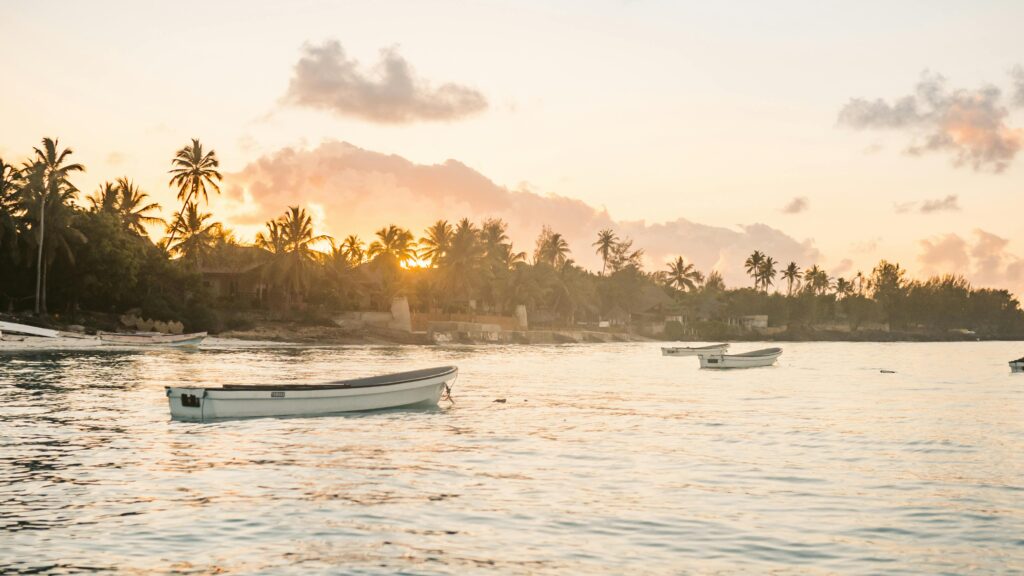
Where to Stay in Zanzibar
Zanzibar’s beaches vary wildly depending on the tides and the vibe. For a full breakdown of the island’s regions and my hand-picked hotel recommendations for 2026, check out my detailed guide on the best places to stay in Zanzibar.
Things to Do in Zanzibar
From swimming with turtles to exploring spice farms, the options are endless. I’ve compiled the top 29 activities in Zanzibar, including current 2026 booking tips and fees and booking tips, to help you plan your itinerary.
Cultural Highlights
Stone Town
A UNESCO World Heritage Site, Stone Town is the historic and cultural heart of Zanzibar. Wander its maze-like alleys to discover:
- Ornate Zanzibari doors
- The former slave market
- The House of Wonders
- Local markets full of spices, textiles, and crafts
Stone Town is best explored on foot to appreciate the architecture, street life, and local trades.
Spice Farms
Zanzibar is known as the “Spice Island.” Local spice farms allow visitors to see, smell, and taste cloves, cardamom, vanilla, turmeric, and more, with guided explanations of their traditional uses in cooking and medicine. These farms also offer insight into local agricultural practices.
Festivals & Events
Zanzibar hosts vibrant cultural events throughout the year. Key examples include:
- Sauti za Busara: If your trip aligns, check out this pan-African music festival held annually in Stone Town, in February.
- Zanzibar International Film Festival (ZIFF, July): Celebrating films, art, and live performances
Water Activities and Excursions
Zanzibar offers a variety of ocean-based experiences beyond lounging on the beach:
- Snorkeling & Diving – Mnemba Atoll, reefs near Nungwi, and other coral spots
- Dhow Cruises – Traditional sailing trips along the coast at sunset
- Paddleboarding & Kayaking – Popular in calmer waters on the east coast
- Day Trips – Including small islands and sandbanks accessible from Stone Town or northern beaches
More details on these activities in Top 29 Things to Do in Zanzibar (2026): Beaches, Culture, Tours & Hidden Gems.
Practical Travel Information
- Mandatory Entry Insurance: All foreign visitors must purchase Zanzibar Inbound Travel Insurance (ZIC) for $44 USD. This is compulsory even if you have private coverage. For the official portal and current visa rules, see my guide on Tanzania Entry Regulations for 2026.
- Best Time to Visit: Dry seasons are June–October (cool/dry) and December–February (hot/dry). April and May are the peak of the long rains.
- Transport & Logistics: Most beach regions are 1.5–2 hours from Stone Town. Use dala-dalas (local minibuses) for the local experience, or pre-book taxis through your accommodation for comfort (especially airconditioning is very nice to have in Zanzibar’s heat). For shorter distances, I recommend using bajajis. Mototaxis are available but risky.
- Luggage storage can usually be arranged either at your hotel or at your tour company.
- Airport Transfers: the easiest way to organize your transfer to and from the airport is through GetTransfer.com. On their website you can sign up to receive quotes from different drivers and compare profiles, prices, and ratings. Ideal!
- Dress Code: Zanzibar is conservative. Cover shoulders and knees when in Stone Town or local villages; bikinis are for the beach only.
- Money: The Tanzanian Shilling (TZS) is used for everything. USD is accepted for hotels, but you’ll get the best rates at local restaurants using Shillings.
- Stay Safe & Healthy: Stick to bottled water and consult a doctor regarding malaria prophylaxis before you fly.
- Wi-Fi: Available in most hotels, but connection can be spotty outside main towns.
See also Tips for Health & Safety in Tanzania and How to Prepare for a Trip to Tanzania.
Best Food & Local Dishes
Zanzibar’s cuisine is a flavorful fusion of African, Arab, Indian, and European influences. Don’t miss:
- Zanzibar pizza (a street food favorite at Forodhani Gardens)
- Octopus curry with coconut milk
- Urojo soup (a tangy, spicy Zanzibari mix of fritters, potatoes, and mango)
- Seafood grills — often caught the same day and served fresh on the beach
Where to Eat
- Lukmaan: Local favorite in Stone Town
- The Rock Restaurant: A famous dining spot perched on a rock in the sea (Pingwe Beach)
- Emerson Spice Rooftop: For fine dining with traditional flavors and sunset views
- Forodhani Night Market: A must-visit evening food market in Stone Town
- In Paje: Shanga Restaurant, Mr. Kahawa, or Bento Food Court.

How to Get to Zanzibar
Located just off the Tanzanian mainland, Zanzibar is easily accessible from Dar es Salaam and Arusha, making it a perfect post-safari or standalone getaway.
- By Air: Daily flights from Dar es Salaam and Arusha, and flights from various other airports abroad
- By Ferry: Regular ferries connect Zanzibar to Dar es Salaam (approx. 2 hours) — use reliable companies like Azam Marine
Tip: Book in advance during high season and beware of scams at the ferry terminal.
Ready to diver deeper into exploring Zanzibar? Check out:
- Top 29 Things to Do in Zanzibar (2026): Beaches, Culture, Tours & Hidden Gems
- Where to Stay in Zanzibar: Best Areas and Hotels Based on Your Travel Style