Saskia
 The Great Migration in Tanzania is one of the most extraordinary wildlife spectacles on Earth, and Tanzania gives you a front-row seat. Every year, more than 1.5 million wildebeest, 200,000 zebras, and thousands of gazelles make a dramatic, circular journey across the Serengeti ecosystem, driven by rain and the search for greener pastures.
From river crossings to calving season, witnessing the Great Migration in Tanzania is an unforgettable travel experience, and one of the top reasons people go on safari in Tanzania. It was definitely one of the highlights of all the safaris I have been on so far.
In this guide, you’ll learn what the Great Migration is, why it’s worth seeing, when and where to go, and how Tanzania compares to Kenya’s Maasai Mara for migration viewing.
For a broader overview of planning a trip, check out my Ultimate Safari Guide to Tanzania.
👉 View a 10 Day Great Migration Safari on BookAllSafaris
What is the Great Migration?
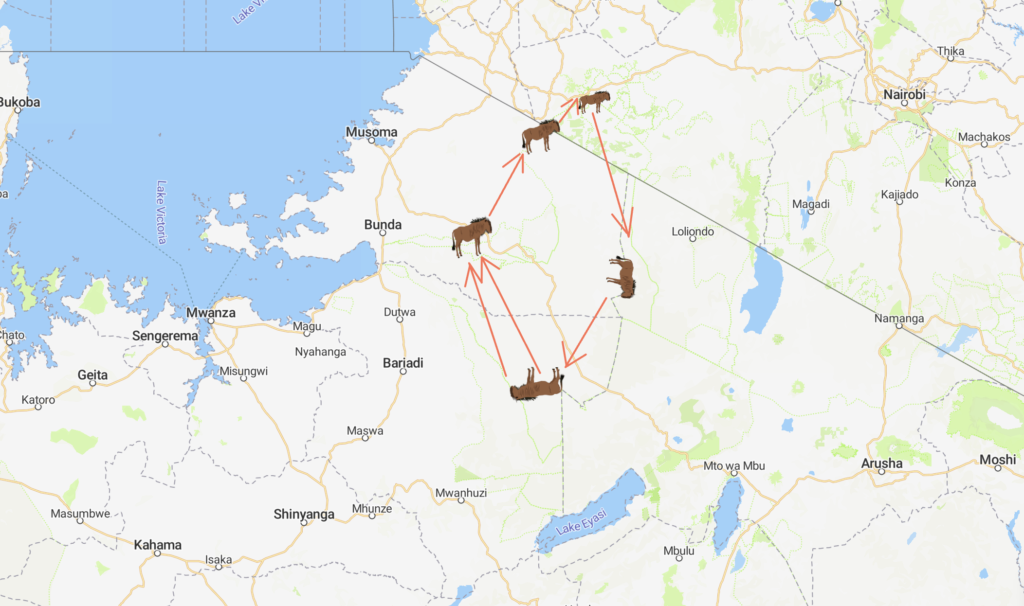
The Great Migration is a year-round, clockwise movement of herbivores between Tanzania’s Serengeti National Park and Kenya’s Maasai Mara Reserve. Following seasonal rains, huge herds move across the plains in search of fresh grazing land. This movement is not random; there’s solid research behind why the herds follow their specific patters.
The migration includes:
- Calving season in the southern Serengeti
- Dramatic river crossings over the Grumeti and Mara Rivers
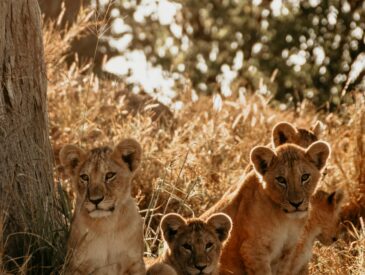
- Predator encounters with lions, cheetahs, and crocodiles
- A constant cycle of birth, death, movement, and survival
If you’re fascinated by wildlife behavior, it’s worth reading my Wildlife Guide to Tanzania, which breaks down what animals to expect and when.
Why Is the Great Migration Worth Seeing?
The Great Migration is not only the largest land-based animal migration in the world, but also one of the most emotionally stirring.
- Mass movement: Witness hundreds of thousands of animals moving across the plains
- Predator action: Lions, hyenas, and crocs create National Geographic-worthy drama
- Seasonal beauty: See the Serengeti in bloom or bone-dry, depending on the time of year
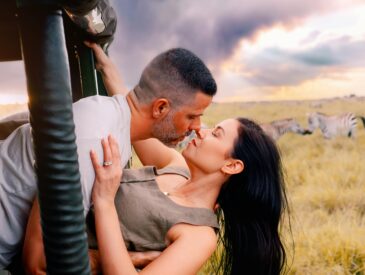
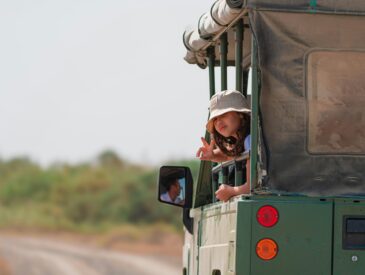
For couples, this can be the highlight of a honeymoon in Tanzania. For families, it’s one of the most powerful kid-friendly safari moments.
When to See the Great Migration in Tanzania
The migration is always happening somewhere, because it is a cyclical movement. It normally gets started with the rains around the beginning of December and lasts until November, but since the weather is not always predictable, there can be some variation.
Different times of year offer different unique events to witness, in various locations:
| Month | Location | What to See |
|---|---|---|
| early Dec–March | Southern Serengeti (Ndutu) | From February: calving season, predator-prey drama |
| April | Herds move to Central/Western Serengeti | Rainy and mating season |
| May–June | Herds move north to cross Grumeti river | River crossings |
| July–Sept | Herds around Mara river (Kogatende) | River crossings |
| Sept– end of Nov | Herds return from Northern Serengeti (Kogatende) via Seronera region to South (Ndutu) | Iconic safari scenes |
I personally witnessed the river crossing at the Grumeti River, and thought it was incredibly spectacular! The sheer amount of wildebeest and the frenzy of their crossing was so impressive. Did you know many don’t actually make it across the river due to rapid currents and hungry crocodiles?
Learn more in my post on the Best Time to Visit Tanzania, which covers seasonal weather, crowds, and costs.
Where to See the Great Migration in Tanzania
The Great Migration can be watched in Tanzania and Kenya, but Tanzania is the best country to experience the full migration. That is not just in my opinion, but because roughly 80% of the cycle occurs within its borders. While Tanzania has many wonderful parks, this event is only visible in Serengeti.
Top Regions for Migration Viewing
- Ndutu (Southern Serengeti) – Calving and predator activity from Dec–March
- Grumeti (Western Corridor) – Remote, lush region for June–July crossings
- Kogatende (Northern Serengeti) – Dramatic Mara River crossings in July–Sept
Need help deciding where to stay? Check out my Guide to Safari Accommodations in Tanzania, which covers everything from budget to luxury.
Tanzania vs. Kenya: Which Is Better for the Great Migration?
While Kenya’s Maasai Mara offers amazing scenes during July–August, it only covers a small portion of the migration cycle.
| Feature | Tanzania (Serengeti) | Kenya (Maasai Mara) |
|---|---|---|
| % of migration journey | ~80% | ~20% |
| Best months | Dec–March, July–Sept | July–Aug |
| Crowd levels | Lower | Higher |
| Viewing options | Broader range of events (calving to crossings) | Mainly river crossings |
For more trip planning help, read my comparison of Tanzania safaris, with tips based on budget, location, and style.
How to Plan Your Great Migration Safari
To have the best experience:
- Choose your dates wisely – Timing matters. Use the table above to help.
- Pick the right region – The migration moves fast and distances are huge; don’t try to cover too much.
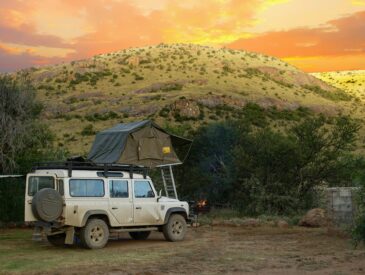
- Consider a mobile camp – These camps follow the herds.
- Work with a guide – Great guides are the key to unforgettable sightings.
From my own experience I can tell you that, for planning your safari, a knowledgeable safari agency and a motivated guide are crucial. The herds move around and are not in the same place at the exact same dates every year. Therefore the agency, located far away, should be in contact with guides in the field to check where the animals are, and based on that plan your safari, including the location of your accommodation. The Serengeti is a huge area, so crossing it at random in pursuit of the migration is not a good strategy.
👉 View a 10 Day Great Migration Safari on BookAllSafaris
In Conclusion: A Must-See Natural Wonder
The Great Migration in Tanzania is more than just a safari highlight – it’s a life-changing window into the wild rhythms of nature. Whether you’re captivated by newborn calves, thunderous river crossings, or lions stalking in golden grass, Tanzania’s Serengeti delivers the full experience.
If you’re ready to start planning, be sure to check my Tanzania Travel Planning Guide for visas, logistics, and local insight.
Want a break after the safari? Discover Zanzibar’s best beaches, food & culture, or head to Tanzania’s lesser-known islands for a peaceful escape.
You may also like:
- Health & Safety Tips – Including malaria prevention and local food tips
- What to Pack for Tanzania – My essential pre-departure recommendations
- Wildlife in Tanzania: Incredible Animals You Can See on Safari
- Tanzania Visa Requirements – Includes rules for Zanzibar