 Saskia
 Tanzania is one of the most rewarding countries in Africa to travel in. From safaris and mountain hikes to beaches and vibrant cities, most travelers experience the country as friendly, calm, and welcoming. That said, your health and safety in Tanzania deserve some attention. Tanzania is not dangerous, but the level of development is relatively low. Certain (medical) standards, infrastructure, and risks are different from what many visitors are used to.
This guide focuses on how to stay healthy and safe while you are in Tanzania, with practical, experience-based advice rather than worst-case scenarios.
For visas, packing, and general trip planning, you can also check my full Tanzania travel preparation guide.
Vaccinations and Medical Preparation
It’s sensible to consult a travel clinic about 4 to 6 weeks before departure. Recommendations can vary depending on where you are traveling, how long you are staying, and whether you will be visiting rural areas.
Commonly recommended vaccinations include:
- Yellow fever. Required if you arrive from, or transit through, a country with yellow fever risk.
- Hepatitis A and B
- Typhoid
- Tetanus and diphtheria
- Rabies for long stays, frequent animal contact, or remote travel
You’ll also want to stock up on any prescription medications you take regularly, plus basics like antihistamines, painkillers, and rehydration salts. Consider bringing a basic first-aid kit, especially if you go hiking. While plenty of pharmacies exist in Tanzania, availability and quality of medicines vary, and it is not a given they carry your familiar brands.
Malaria, Mosquitoes, Insect-Borne Illnesses
Malaria is present throughout mainland Tanzania and should be taken seriously, even though many travelers never contract it.
Basic precautions matter:
- Discuss antimalarial medication with your doctor. Common options include Malarone and Doxycycline. These medications tend to have heavy side effects.
- Use a repellent containing DEET or picaridin, especially after sunset.
- Wear long sleeves and trousers in the evening.
- Sleep under a mosquito net where provided.
Dengue outbreaks have also been reported, mainly in the coastal region.
Food and Water Safety in Tanzania
Tanzanian cuisine is flavorful and varied, and eating local food is one of the joys of traveling here. Most issues arise not from the food itself, but from hygiene standards that differ from Western norms.
Practical tips:
- Drink bottled or properly filtered water only.
- Avoid ice unless you trust the establishment.
- Eat food that is freshly cooked and served hot.
- Peel fruit yourself, eat cooked vegetables rather than raw.
- Busy restaurants and food stalls are often safer than empty ones.
Mild stomach issues are common, especially in the first days. Carry oral rehydration salts and consider probiotics. Severe illness is uncommon but should be taken seriously if it occurs.
Medical Facilities – Stay Insured
Don’t skip travel insurance. Even relatively minor medical issues can become complicated due to distance, limited facilities especially outside major cities, and the need for private care or international evacuation.
While places like Dar es Salaam, Arusha, and Zanzibar have private hospitals that treat international patients, facilities in smaller towns and safari regions are very limited compared to Europe or North America. They may not have modern equipment. Ambulances are generally limited, especially outside urban areas. In serious cases, evacuation by plane or helicopter to Nairobi or South Africa is common and can cost tens of thousands of dollars without insurance.
Your insurance policy should cover at least:
- Emergency medical treatment
- Medical evacuation and repatriation
- Hospitalization at private clinics
- Loss or theft of belongings
- Delays or cancellations
- Safari activities and trekking (including Kilimanjaro, if applicable)
- Adventure activities such as diving (if applicable)
Be aware that local clinics and hospitals generally require payment on the spot, sometimes upfront. Safari operators and trekking companies also tend to ask for insurance details before departure.
If you plan to:
- Go on safari
- Climb Kilimanjaro
- Use domestic flights
- Ride motorbikes or scooters
- Travel to remote areas
double-check that these activities are explicitly covered by your policy.
Carry your insurance details with you at all times, including the emergency assistance number, and save them offline on your phone – as well as somewhere else in case your phone gets stolen.
Know Where to Get Help
Major cities like Dar es Salaam and Arusha have private clinics and hospitals that cater to international travelers. It’s still worth researching a few reliable facilities before you go, especially if you have any chronic conditions.
Always keep a list of emergency contacts with you, including:
- Your country’s embassy
- Emergency medical numbers in Tanzania
- Your travel insurance provider’s 24/7 helpline
Personal Safety and Crime
Tanzania is generally peaceful. Violent crime against tourists is rare. The most common issues are petty theft and opportunistic scams, particularly in cities. A few common-sense precautions are always good to keep in mind:
General precautions:
- Don’t walk alone at night, especially in unfamiliar neighborhoods.
- Use taxis or ride-hailing apps like Bolt.
- Carry only what you need for the day, and leave valuables in a hotel safe.
- Avoid showing off expensive gear, jewelry, or large amounts of cash.
- If you go out at night, consider bringing a cheap old spare phone or no phone at all. Phones often get stolen at bars and clubs.
❗Be aware that safari scams or tour scams are quite common. Someone may offer to arrange an incredible safari for you, or an excursion on Zanzibar, but after payment, the person disappears without a trace. For this reason, I advise against booking with individuals on the street or beach. It’s safer to book online, or through your hotel, or at a reputable agency with a physical store. If you really want to buy from an individual, take a photo with them and their ID. This may enable police to track them if something goes wrong (but don’t rely on it).
Road Travel and Transportation
Road travel carries more risk than many travelers expect. Roads can be in bad shape (potholes), are often poorly lit, signage is limited, and driving habits are unpredictable. Drivers are often reckless and will not hesitate to overtake in a blind curve. Pedestrians and dogs often seem to cross the road at random. Many road accidents take place.
Do take some precautions where you can!
- If you’re using long-distance buses or safari vehicles, make sure you travel with reputable companies.
- Avoid traveling by road at night outside major towns and cities.
- Always wear your seatbelt when possible, even though locals may laugh at you when doing this in the back of a car (and many cars don’t actually have seatbelts in the back).
- If you’re flying domestically – say, between Arusha and Zanzibar – book with well-established regional airlines. In my experience, the quality of planes used by local airlines can vary quite a bit.
- Be very cautious with boda bodas (motorcycle taxis), especially without helmets. It’s best to avoid them. I only take them occasionally for short rides in areas with little traffic.
- Use trusted taxis or ride apps like Bolt
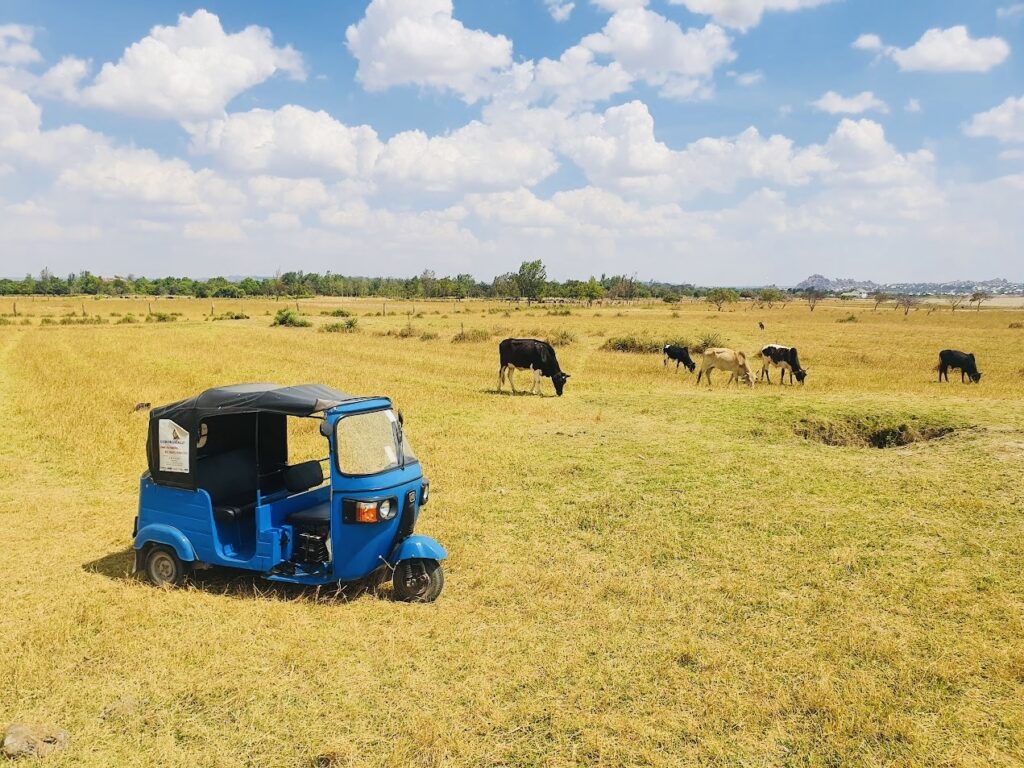
- Bajajis, three-weeled rickshaws also known as tuk-tuks, can be a good cheap alternative to a taxi for short stretches.
- If you do get into a collision while in charge of a car, do not get out of the car, even though it feels counterintuitive as you may want to help. Local people are known to take justice into their own hands. Drive straight to the police station and if possible/necessary call for medical services.
Wildlife, Nature, and Outdoor Risks
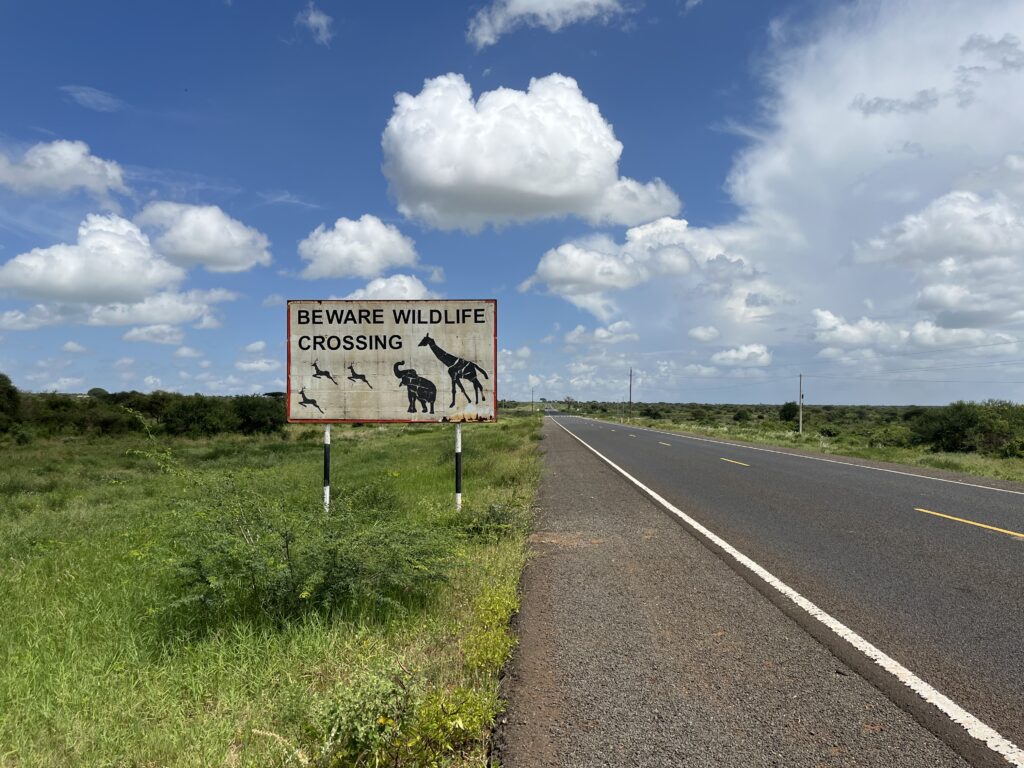
Wildlife encounters are a highlight of Tanzania, but they come with rules for a reason.
On safari:
- Always follow your guide’s instructions.
- Never leave the vehicle unless explicitly permitted. Generally this is not permitted in safari areas.
- Do not underestimate animals, even when they seem calm. Certainly don’t provoke them.
In coastal areas:
- Pay attention to currents and tides, especially in Zanzibar.
- Swim where locals swim and ask about conditions.
- Be cautious with boat trips during rough weather.
Insects, snakes, and other wildlife exist, but serious incidents are rare if basic precautions are followed. You may want to visit Meserani Snake Park in Arusha! I’ve heard nothing but praise about their knowledgeable advice. Unfortunately I’m personally too scared to go.
Respect Local Customs and Laws
Being mindful of Tanzanian culture goes a long way. Here are a few things to note:
- Consider dressing modestly, especially in rural areas and on Zanzibar, which is largely Muslim.
- Avoid photographing military sites or government buildings.
- Public displays of affection are considered inappropriate.
- Same-sex relationships are criminalized in Tanzania, and LGBTQ+ travelers are advised to exercise discretion. While I doubt the police will come after you, I have heard of multiple incidents where gay men were attacked by individuals.
Learning a few words of Swahili like “Asante” (thank you) or “Habari” (hello) will be appreciated. Check out my list of essential Swahili phrases.
Stay Updated
Before and during your trip, keep an eye on the news, as well as travel advisories from your home government, for any updates on local conditions, such as election periods, regional tensions, or weather-related disruptions. While Tanzania is generally politically stable and peaceful, as we have recently seen, election periods can suddenly lead to violent situations.
Final Thoughts on Safety in Tanzania
I hope my tips haven’t scared you! I merely believe it is important to be aware and prepared for anything. Forewarned is forearmed! That way you can enjoy your holiday in peace. Despite a few drawbacks inherent to many developing states, Tanzania is a stunning country, offering experiences and scenery unlike anywhere else. With a bit of planning and awareness, you’ll be well-equipped to enjoy its national parks, coastlines, and cultural richness safely and healthily.
This page contains a link through which I may earn a commission, at no additional cost to you.
You May Also Like: