 Saskia
 This is one of the questions that get asked most often. Short answer: yes, Tanzania is generally safe for solo female travelers, including women traveling alone for the first time in East Africa. But like anywhere, safety depends on where you go, how you travel, and how aware you are of your surroundings.
I lived in Tanzania for several years and traveled extensively on my own, both for work and leisure. What follows is not theory or travel forum panic, but what I actually experienced on the ground.
The overall safety picture
Tanzania is considered one of the safer countries in East Africa for travelers. Violent crime against tourists is relatively rare. Most issues that do occur involve petty theft, scams, or uncomfortable attention rather than serious danger.
That said, “safe” does not mean “carefree”.
If you are used to traveling in the US or Europe, you will need to adjust your expectations slightly. If you have traveled in other parts of Africa, Latin America, or South Asia, Tanzania will likely feel manageable and calm.
Is Tanzania safe for women traveling alone?
In my experience, yes, with common-sense precautions.
Tanzanian culture is generally respectful, but it is also conservative. Solo female travelers can attract attention because traveling alone as a woman is less common locally. This usually shows up as curiosity, comments, or persistent conversation attempts, not aggression.
What you may experience:
- Staring, especially in cities and on public transport
- Men asking personal questions or proposing “friendship” quickly
- Occasional catcalling in urban areas
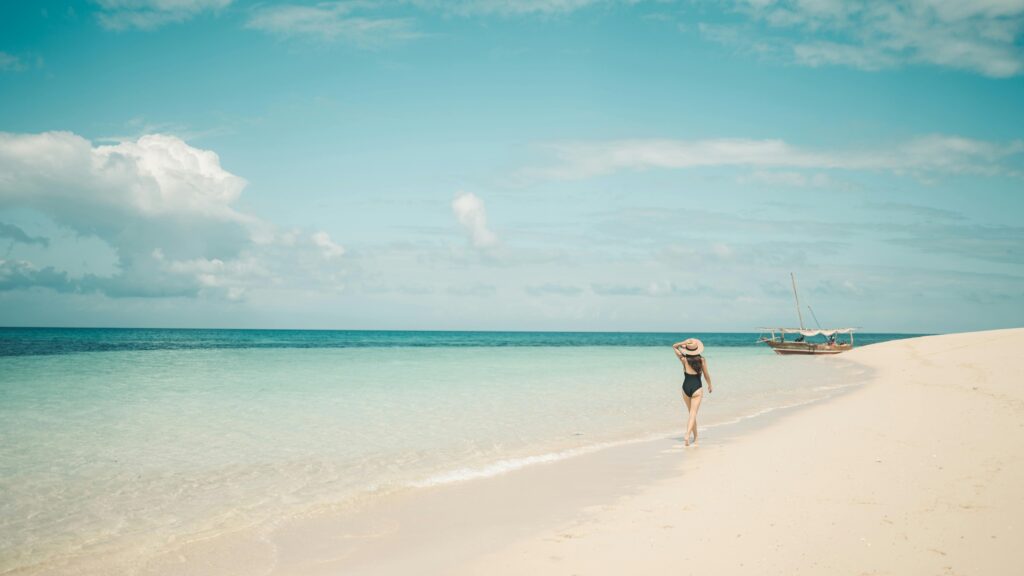
- On Zanzibar beaches, so called beach boys may very persistently try to strike up a conversation or come on to women, which many find annoying. Beach side accommodations often have a private stretch of beach where non-guests are not welcome.
What is less common:
- Physical harassment
- Following or threatening behavior
- Situations that feel dangerous
Your experience may vary slightly depending on where you go and how you present yourself, but serious incidents involving solo female tourists are not common.
Sadly, I have heard about serious incidents victimizing gay men. If you are a gay woman, you may want to be careful showing this in public places.
Cities vs safari areas
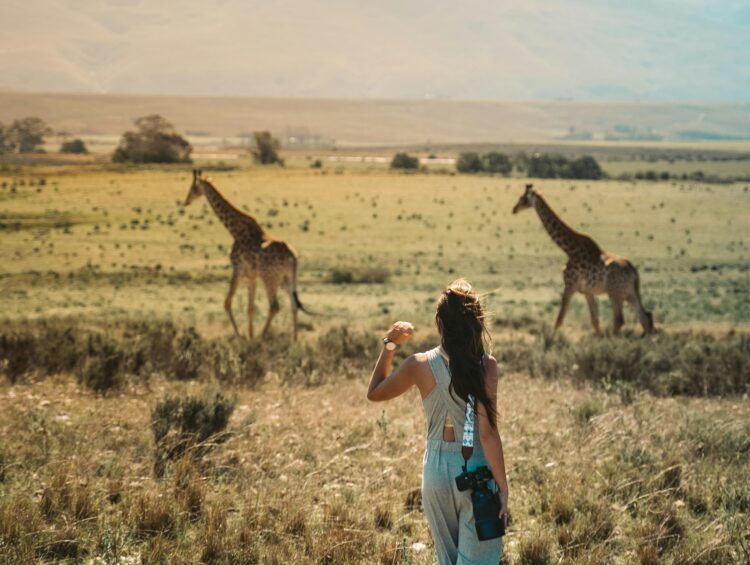
Safari destinations and national parks
Safari areas are very safe. You are usually with guides, drivers, or at lodges with staff on site. Even when moving between parks, logistics are controlled and predictable. That said, traffic is dangerous in Tanzania, but that is not a solo female traveller issue.
If your trip is mainly safari-focused, safety should not be a major concern.
Cities like Arusha, Moshi, and Dar es Salaam
Cities require more awareness.
Arusha and Moshi are used to tourists and feel relatively relaxed. Dar es Salaam is larger and more chaotic, and I would be more cautious there, especially at night.
Basic rules to follow:
- Avoid walking alone after dark
- Use taxis rather than walking at night
- Ask your accommodation which areas to avoid
- Do not display valuables openly
These are not Tanzania-specific rules, but they matter more in cities.
Transport and getting around safely
Public transport exists, but for solo female travelers I usually recommend:
- Registered taxis or ride services arranged by your hotel
- Safari transfers or private drivers for longer distances
- Buses only with reputable companies for intercity travel
- Bajajis, three-weeled rickshaws also known as tuk-tuks, can be a good cheap alternative to a taxi for short stretches
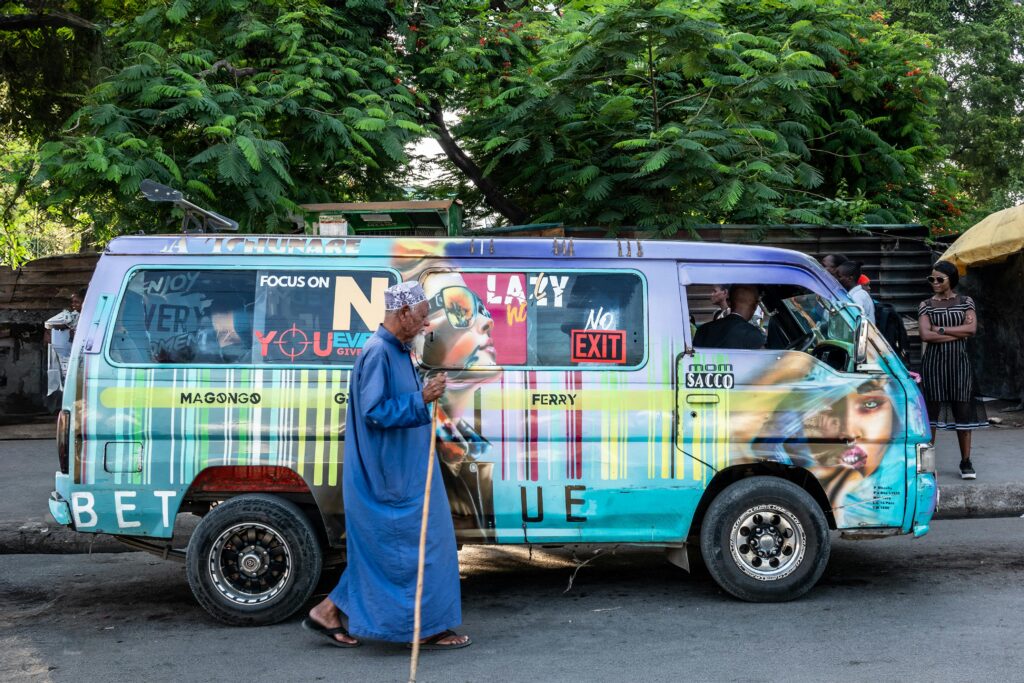
Dala dalas (small city buses) can be an experience, but they are crowded and not ideal if you are traveling alone with luggage. Moto-taxis, locally known as boda bodas, are available but I advise against them because they are very unsafe. I would only use a boda boda for a short ride in an area with little traffic, and tell the driver not to go fast.
If you stay longer, you could consider renting a car. I would only advise this if you are used to crazy traffic (and not bothered by driving on the left).
Dress code and cultural awareness
While there is no actual formal dress code, putting some thought into how much skin you show will probably help you feel more comfortable when out and about.
You do not need to dress like a local, but modest clothing helps reduce unwanted attention. That means you might consider:
- Covering shoulders and knees in towns
- Avoiding very tight or revealing clothing
- Wearing swimwear only at the beach or pool
On Zanzibar, especially in Stone Town and villages, modest dress is particularly important. Zanzibar has a majority muslim population and its culture is more conservative than on the mainland. On beaches and boat trips it is common for tourists to wear swimwear only, but if you go into town I recommend wearing a cover up or simple dress. You may see local women bathing fully clothed.
Scams and petty crime
The most common issues are:
- Overpriced taxis, and drivers insisting on a higher fee than agreed
- Fake guides or overly persistent helpers
- Pickpocketing in busy areas – phones are popular
Violent crime is uncommon, but theft can happen.
Simple precautions work well:
- Keep valuables out of sight
- Use hotel safes where available
- Say no firmly and walk away if someone is pushy
It is very common for phones to get stolen at clubs. If you go partying, consider leaving your phone at your accommodation, bringing a cheap travel phone, or hide it very well – for example by wearing a lanyard under your clothes.
Health and personal safety
Health-related safety is often a bigger risk than crime.
Be cautious with:
- Food hygiene, especially street food
- Tap water, which should not be drunk
- Sun exposure and dehydration
- STDs. Rates are high, including HIV.
- Traffic
For personal health and vaccination advice, consult your doctor or travel clinic.
“Romance”
Sadly enough, Tanzania has a thriving “industry” of romance with foreigners, which is pursued by certain locals in hopes of attaining better living conditions. While other places are known for Western men finding (younger) local girlfriends, in Tanzania foreign women are also targeted, by so-called flycatchers or beach boys, as an “investment”. A local newspaper has written about this widespread practice in “Why marrying a Mzungu isn’t the business deal you think, Bro”, explaining that “Marrying a mzungu woman seemed like the ultimate shortcut to a soft life”. “Mzungu” is local slang for “foreigner”.
This means, unfortunately, that female travelers may be well advised to exercise some extra discretion when romanced by locals.
Trusting your instincts
One thing I advise keeping in mind in Tanzania, as everywhere, is that your intuition is usually right.
If a situation feels off, remove yourself. You are not obligated to be polite. No is a full sentence.
Most people you meet will be friendly, curious, and genuinely helpful.
Final verdict: should solo female travelers worry?
No, but you should be prepared. Consult your government’s official travel advice for Tanzania, keep my tips in mind, and keep your eyes open.
Tanzania is a rewarding destination for solo female travelers, including first-timers to Africa. With basic awareness, cultural sensitivity, and sensible planning, it is a place where you can feel confident traveling alone.
If your trip focuses on safaris, nature, and well-established tourist routes, safety concerns should be minimal.
If you plan to spend a lot of time in cities, especially Dar es Salaam, take standard urban precautions and listen to local advice.
This page contains links through which I may earn a commission, at no additional cost to you.
You may also like: