Saskia
 Tanzania is one of the world’s most iconic safari destinations. Home to Serengeti National Park, Ngorongoro Crater, and the Great Migration, it offers travelers the chance to see Africa’s most celebrated wildlife and experience the stunning landscapes of East Africa. This ultimate Tanzania safari guide will help you plan your trip, from choosing the best parks and timing your visit to types of safaris and packing tips.
If you’re ready to move on to safari accommodation, check out my guide explaining the types of accommodation, and my list of top-rated lodges and camps.
Why Choose Tanzania for Your Safari?
Tanzania offers some of the best wildlife viewing opportunities in Africa. It’s home to the Big Five (lion, leopard, elephant, buffalo, rhino), vast landscapes, and diverse ecosystems. Its vast plains, crater ecosystems, and coastal parks provide a diversity of habitats that few other countries can match.
Tanzania stands out for:
- World-famous parks: Serengeti National Park and Ngorongoro Crater
- Remote, less-crowded parks: Ruaha National Park, Katavi National Park
- Wildlife highlights: Big Five, birds, and primates
- Natural spectacles: The Great Migration and year-round wildlife viewing
What Is a Safari in Tanzania Like?
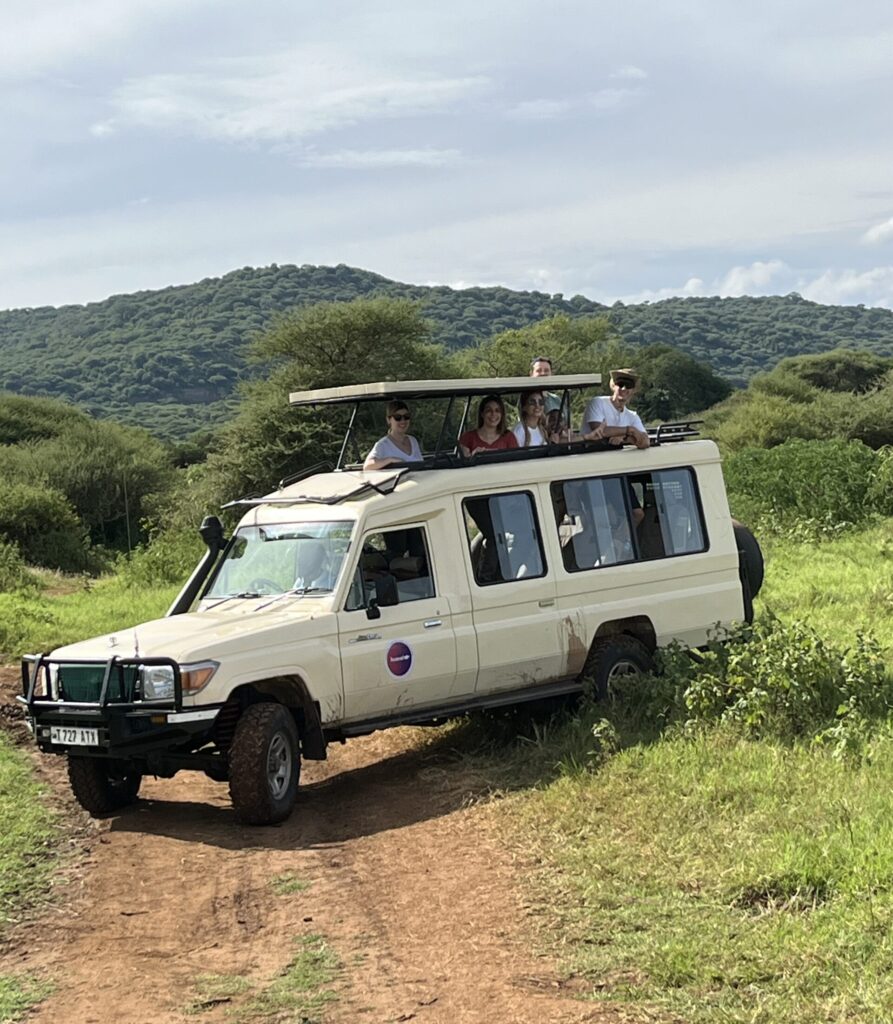
First of all, it depends how you will get to the park. You can either book a safari where you get picked up from your accommodation, often in Arusha region, early in the morning. Or you can fly into the park, usually on a small bush plane. I would only choose the latter option if you’re quite comfortable flying, since on such a small plane you feel every movement. My first time, I found it quite intense. But if you’re used to it or don’t mind, it can be a fun exciting experience!
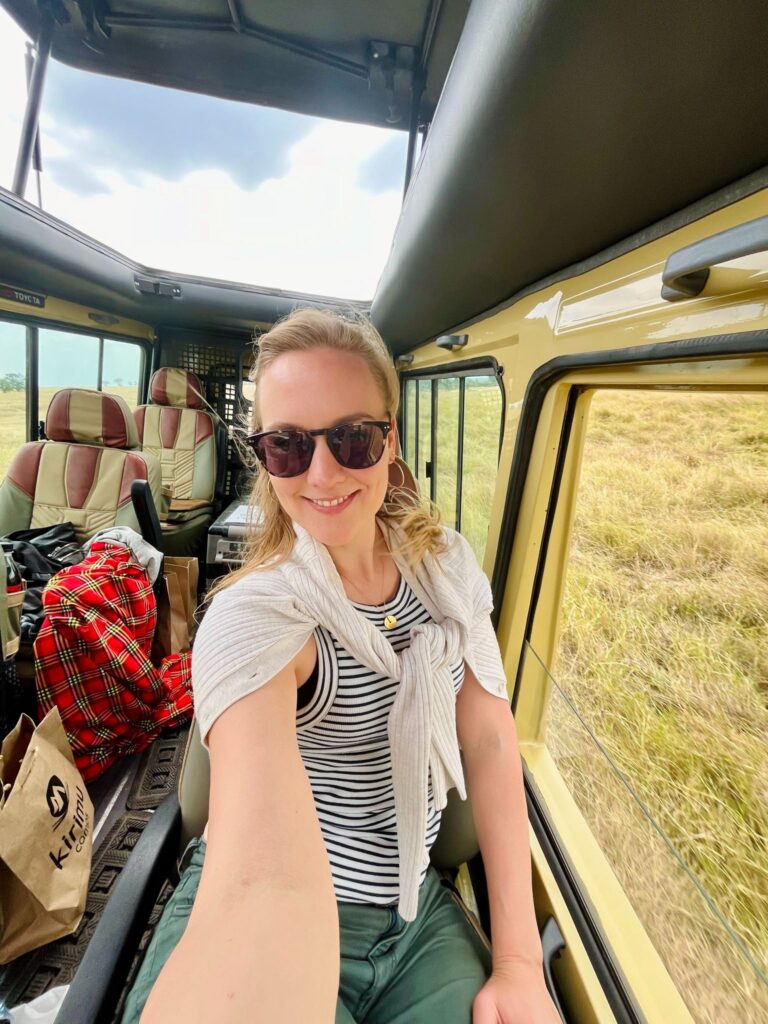
If you drive to the park, you will get picked up in a 4×4 safari vehicle, normally around 5 or 6 in the morning. The drive takes quite a while; between Arusha and the entrance gate of Serengeti it’s five to six hours. After that, the real safari starts. Days spent entirely in the park also start around sunrise. You will set off to explore and find animals. They move around, but normally your driver guide has an idea where the animals are at a given time. Drivers communicate with each other by radio.
You will drive around the whole morning, scanning the landscape, stopping when something catches your or your guide’s eye. Some drives are quiet, others bring unforgettable moments, and there is no guarantee of what you will see. That unpredictability is part of the experience.
Safaris in Tanzania are normally guided. Self-driving is possible but requires a lot of arrangements (permits, fees, taxes) and almost certainly ends up more expensive because you will have to rent a safari vehicle – you might as well pay for a vehicle with driver guide. The roads in most parks are too rough for a regular car, with the exception of Arusha National Park, depending on the season (the rainy season can get very muddy).
On a guided safari, the quality of your driver-guide plays a major role in your experience. A good guide is able to figure out where the animals are, reads the landscape, explains animal behavior, and sets realistic expectations. I definitely found it a huge advantage to have a knowledgeable guide whom I could bombard with all my questions.
At lunchtime, you stop somewhere, generally at a picknick spot, for a break and meal. Lunch is usually provided and brought along in the vehicle. Afterwards you will venture onwards for another several hours or until you decide to return to your accommodation. You may be surprised to learn that a safari is actually quite tiring, due to the constant driving around on bumpy roads, scanning the horizon for animals, combined with a lot of dust, early mornings, and potentially imperfect sleep in your accommodation. For this reason, it’s not uncommon for safari-goers to spend afternoons relaxing at their accommodation.
The Main National Parks and Game Reserves in Tanzania
Tanzania has several outstanding safari parks, each offering a slightly different landscape, wildlife focus, and overall experience. Many itineraries combine two or three parks.
The most famous parks are located in the north of the country: Serengeti, Ngorongoro, Tarangire, and Lake Manyara. In the south, off-the-beaten-path options include Ruaha and Selous/Nyerere, as well as Katavi National Park, Mikumi National Park, Mahale Mountains National Park and Gombe Stream National Park.
Serengeti National Park
Serengeti National Park is the most famous safari destination in Tanzania. It is best known for the Great Migration, but wildlife viewing is excellent year-round. Expect vast open plains, large predator populations, and classic safari scenery.
Learn more in my Wildlife Guide: What Animals You Can Expect to See on Safari in Tanzania.
Ngorongoro Crater
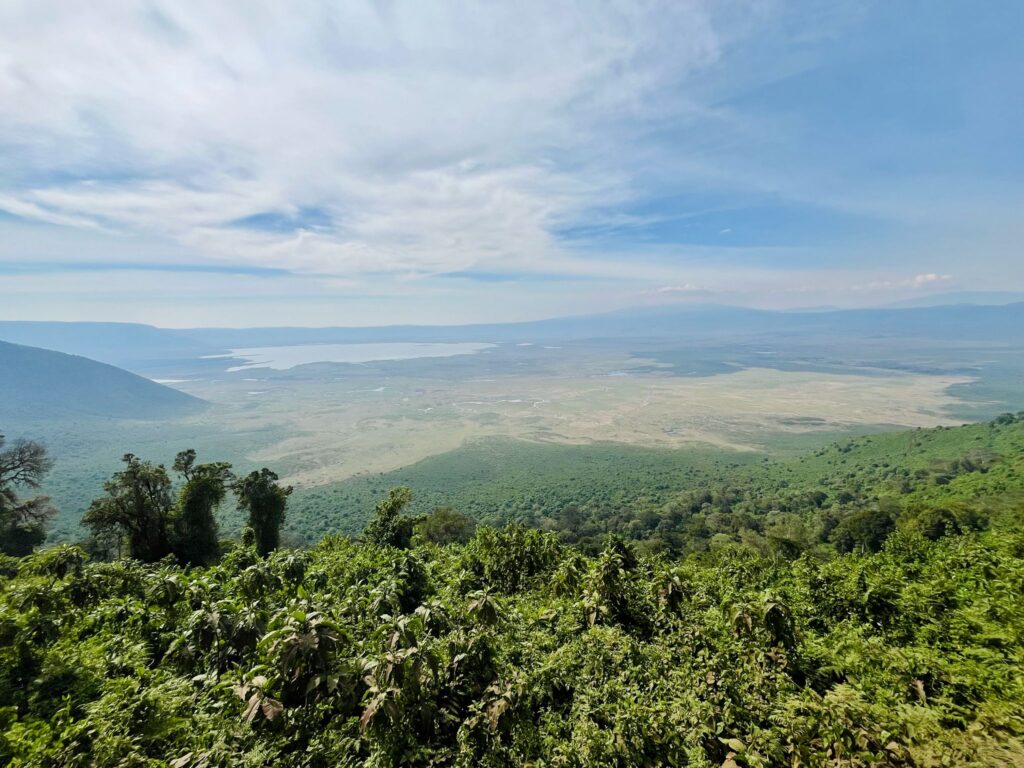
Ngorongoro Crater is a collapsed volcanic caldera and one of the most concentrated wildlife areas in Africa. Game drives take place inside the crater itself, but the view from high up the side of the crater, from where you enter, is really spectacular too.
Ngorongoro offers a good chance of seeing the Big Five in a single day. It is often included as a one-day stop on the way to Serengeti.
Tarangire National Park
Tarangire National Park is known for its large elephant population and iconic baobab trees. It is beautiful and works well as part of a northern circuit itinerary.
Lake Manyara National Park
Lake Manyara National Park is smaller and more compact, famous mainly for its birdlife , and you may see tree-climbing lions. It is usually included as a short stop rather than a main safari destination. However, the area does have some pretty amazing lodges where you could consider spending the night.
Ruaha National Park and Nyerere National Park (formerly Selous Game Reserve)
Ruaha and Nyerere (Selous) are located in southern Tanzania and receive far fewer visitors. These parks offer a more remote and rugged safari experience, with fewer vehicles and a stronger sense of wilderness. They are ideal for travelers who want to avoid crowds and have more time.
Mikumi National Park
Mikumi provides an accessible safari option near Dar es Salaam. It is a popular destination for day trips from Zanzibar.
Katavi National Park, Mahale Mountains National Park & Gombe Stream National Park
These remote and off-the-beaten-path parks offer unique wildlife experiences. Katavi is known for its seasonal herds and predator sightings, Mahale is famous for trekking chimpanzees along Lake Tanganyika, and Gombe Stream is world-renowned for Jane Goodall’s long-term chimpanzee research.
What Animals Can You Expect to See?
Tanzania offers some of the best wildlife viewing in Africa, but sightings are never guaranteed. It’s probably best to consider the active scanning for animals as part of the experience.
On most safaris, you can expect to see elephants, giraffes, zebras, wildebeest, buffalo, and antelope almost daily. Lions are commonly spotted, especially in the Serengeti and Ngorongoro. Leopards and cheetahs are more elusive and require patience and a bit of luck. Birdlife is abundant and the spectacular landscapes add a lot to the experience as well. You’re also likely to see hippos and crocodiles. Rhinos are very difficult to spot, but you may find one or two in Ngorongoro.
For more information on what animals you can see in Tanzania, you may like my Tanzania Safari Animals Guide.
The Great Migration is seasonal and location-dependent. You will not see it everywhere, all the time. Read more in The Great Migration in Tanzania: When, Where and Why to See It.
Types of Safaris in Tanzania
Safaris in Tanzania generally fall into three broad categories: budget, mid-range, and luxury. The core wildlife experience is the same, but cost, comfort, and flexibility vary significantly. Another key choice is whether to join a group safari or book a private safari, each with its own pros and cons.
Group safaris are more budget-friendly and popular with solo travelers. You share the vehicle, guide, and costs with others. The downside is less flexibility. You need to compromise on intinerary, pace, interests, and stops.
Private safaris cost more but offer full flexibility. You decide when to stop, how long to stay at sightings, and how your days are structured. They are ideal for couples, families, photographers, or anyone who values comfort and control.
Budget safaris are normally group safaris. Apart from shared vehicles, they involve basic lodges or camps, and may have fixed itineraries. Accommodation is simple, sometimes outside the parks, and group sizes can be larger. These safaris are popular with backpackers and travelers on a tight budget. Learn more in my post What to Expect on a Budget Safari in Tanzania.
Mid-range safaris offer a balance between comfort and cost. You typically stay in comfortable lodges or tented camps, often inside or close to the parks. Vehicles may still be shared, but group sizes are smaller and itineraries more flexible.
Luxury safaris focus on privacy, exclusivity, and high-end service. Think private vehicles, experienced guides, and upscale lodges or tented camps in prime locations. Everything is arranged around your preferences, from daily schedules to meals and activities.
All three types can deliver excellent wildlife sightings. The main differences are comfort level, group size, and how personalized the experience feels. A further element not to be underestimated is the amount of flexibility a private safari allows you. When you’re tired after a whole morning of driving, it is not great if the rest of your safari group want to keep at it the whole afternoon, when you would rather head back to your accommodation.
How Long to Go on Safari in Tanzania?
Most travelers underestimate how tiring a safari can be. Early mornings, long drives, and constant scanning for wildlife add up quickly. Below are some time estimates based on the tours offered by most agencies. More flexibility is possible when you tailor your safari individually, especially if you travel by plane.
3 days is generally the minimum if you want go to Serengeti from Arusha by car. This works if you are short on time, or combining a safari with Zanzibar. Expect one or two parks and a fast pace.
4–5 days is the sweet spot for most first-time visitors. It allows you to visit two or three parks, spend more time actually watching wildlife, and enjoy the experience without rushing.
6–7 days or more is ideal if you want a deeper safari experience, multiple regions, or a more relaxed schedule. Maybe you have booked a gorgeous lodge with a pool where you want to spend some afternoons resting after wildlife spotting. This duration is also better for photographers and travelers who want flexibility.
More days do not necessarily mean more animals, but they do mean less pressure, better sightings, and a more enjoyable rhythm.
Based on my personal preference, I would recommend planning fewer parks and staying longer in each, rather than trying to see everything at once. But it’s up to you!
When is the Best Time to Go on Safari in Tanzania?
Tanzania is amazing for wildlife year-round, but what you see and the ease of travel vary with the seasons. Here’s a quick overview:
- Dry season (June–October): The best time for wildlife sightings. The lack of rain means the vegetation is short, so animals are better visible. Animals gather around waterholes, and the Great Migration is at its peak. Roads are easier to navigate, making travel smoother.
- Wet season (November–May): Lush landscapes, fewer tourists, and lower prices. Some parks may be harder to reach due to rain, but birdwatching is exceptional and the scenery is beautiful. My favorite part of the year.
For a detailed month-by-month breakdown, see my guide Best Time to Visit Tanzania: Seasons, Safari & Weather Guide.
Safari Costs (Ballpark Ranges)
Safari prices in Tanzania vary widely based on comfort level, travel season, group size, and parks visited. It can also make a big difference which tour operator you book with. Nevertheless I would always recommend going with a reputable agency. The quality and reliability of your agency and guide can make a huge difference in your whole safari experience, and safety is also an important consideration.
Below are typical ranges to help you plan and set realistic expectations.
| Safari Type | Typical Cost (per person, per day) | What to Expect |
|---|---|---|
| Budget | $150–$250 | Shared vehicle, basic camps or lodges, potentially a fixed itinerary |
| Mid-range | $300–$600 | Comfortable lodges or tented camps, smaller groups |
| Luxury | $700–$1,500+ | High-end lodges, private vehicle, premium guiding |
Good to know:
- Park fees and conservation charges may be listed separately and can add a significant amount, so this is worth watching out for.
- Prices are usually higher in the dry season and during the Great Migration.
- Solo travelers often pay more unless joining a group.
- Tips are usually not included.
What to Pack for Your Safari
Packing smart makes a safari more comfortable and enjoyable. Essentials include:
- Neutral-colored clothes for safaris, layers for cool mornings and hot afternoons, long sleeves and pants to protect against mosquitoes.
- Comfortable walking shoes for game drives and light hikes.
- Hat, sunglasses, sunscreen, and a good daypack.
- Insect repellent, basic first-aid items, and any personal medications.
- Binoculars, camera, and a power bank.
Tip: Avoid bright colors and strong perfumes as they can disturb wildlife.
For a detailed checklist, see my full Tanzania Safari Packing Guide.
Safety Basics and Practical Tips
Safaris in Tanzania are generally very safe when booked with reputable operators, but first-time visitors may underestimate how different the environment is from everyday travel.
Always follow your guide’s instructions in the park. Do not leave the vehicle unless explicitly told it is allowed (normally it is not, in Tanzania), and keep arms, cameras, and bags inside at all times. Animals are wild and unpredictable, even when they seem relaxed.
At camps and lodges, especially unfenced ones, follow staff guidance at night. Animals do wander through, and walking alone after dark is usually discouraged.
Other tips:
- Bringing layers for cold early morning game drives
- Bring sunscreen and a hat for hot afternoon weather
- Do not underestimate dust and the bumpy roads
- Bring cash for tips and local purchases like souvenirs and snacks
With realistic expectations and a bit of patience, safaris become a full-on immersive experience rather than stressful and strenuous.
For broader health, travel safety, and city-related tips, I cover those in detail in my Health and Safety Tips for Tanzania article.
Booking Basics and Choosing a Safari Operator
How you book your safari matters as much as where you go. A good operator can make the difference between a smooth, memorable experience and a frustrating one.
Most safaris in Tanzania are booked through local or international tour operators who arrange vehicles, guides, park fees, and accommodation. Booking directly with a reputable operator is usually better, and more affordable, than trying to piece everything together yourself.
When choosing an operator, look for:
- Clear itineraries with realistic driving times
- Transparent pricing that explains what is included and excluded
- Proper licensing and park permits
- Guides with strong local knowledge and good reviews
Be cautious of prices that seem far lower than others. Extremely cheap safaris often cut corners on vehicle quality (safety!), guide experience, or accommodation.
Decide early whether you want a group or private safari, as this affects cost, flexibility, and availability. During peak season, popular lodges and camps can sell out months in advance.
Ask practical questions before booking, such as:
- How many people will be in the vehicle
- What happens if weather or road conditions change plans
Pro tip for Serengeti: when choosing your accommodation, try to find out where the animals are first. A good agency should be able to figure this out through their guides in the field. Since Serengeti is huge, a strategically located accommodation can save you hours of bumpy roads.
For a deeper breakdown of safari styles, combined itineraries, and which suit you best, see my guide Which Tanzania Safari Is Best?
Is a Tanzania Safari Worth It?
Absolutely. For many travelers, a safari in Tanzania is a once-in-a-lifetime experience. With its iconic parks, diverse wildlife, and stunning landscapes, Tanzania truly delivers.
That said, safaris are not cheap, not always comfortable, and not instant gratification. Days can be long and tiring, dust gets everywhere, and sightings require patience. If you are expecting constant action or luxury at every moment, you may be disappointed.
If you enjoy slow travel, early mornings, and being fully present in your surroundings (consider it mindfulness!), a safari in Tanzania is unlike anything else. With realistic expectations and the right planning, a safari here is not just worth it, it is often the highlight of an entire trip.
Use this guide as your launchpad for planning, and don’t forget to explore more tips on my blog! ↓↓↓
Related reads: