 Saskia
 Tanzania is one of Africa’s most iconic travel destinations. Whether you’re planning a wildlife safari, beach escape in Zanzibar, or a trek up Mount Kilimanjaro, timing your visit significantly affects your experience. This guide breaks down the seasons, wildlife highlights, weather, and the best windows for specific activities so you can choose the best time to visit Tanzania.
Quick Answer: Best Time to Visit Tanzania
The most popular period for visiting Tanzania is during the dry season from June to October. These months offer:
- Excellent wildlife viewing in national parks such as the Serengeti and Ngorongoro Crater
- Prime opportunity to witness the Great Migration
- Warm, sunny weather perfect for beaches in Zanzibar
- Climbing Mount Kilimanjaro with more predictable weather conditions
However, Tanzania is a year‑round destination with unique advantages at different times of the year. It never gets really cold or extremely hot.
Understanding Tanzania’s Climate
Tanzania has different regions with different climates. Generally speaking, the northern region around Arusha and the famous safari parks gets colder than the coastal region and Zanzibar. But it never gets really cold – only at night or early mornings you may need a light jacket as temperatures can go down to around 55°F or 13°C in June-August. Afternoons are likely to be pleasant at any time of year. In the warmer season around the end of the year, the sun may get intense for some, as temperatures often exceed 86°F/30°C. I personally find that as long as you can get some shade, it’s usually not too hot. This is different in the coastal regions, where it gets quite humid so the heat feels heavier.
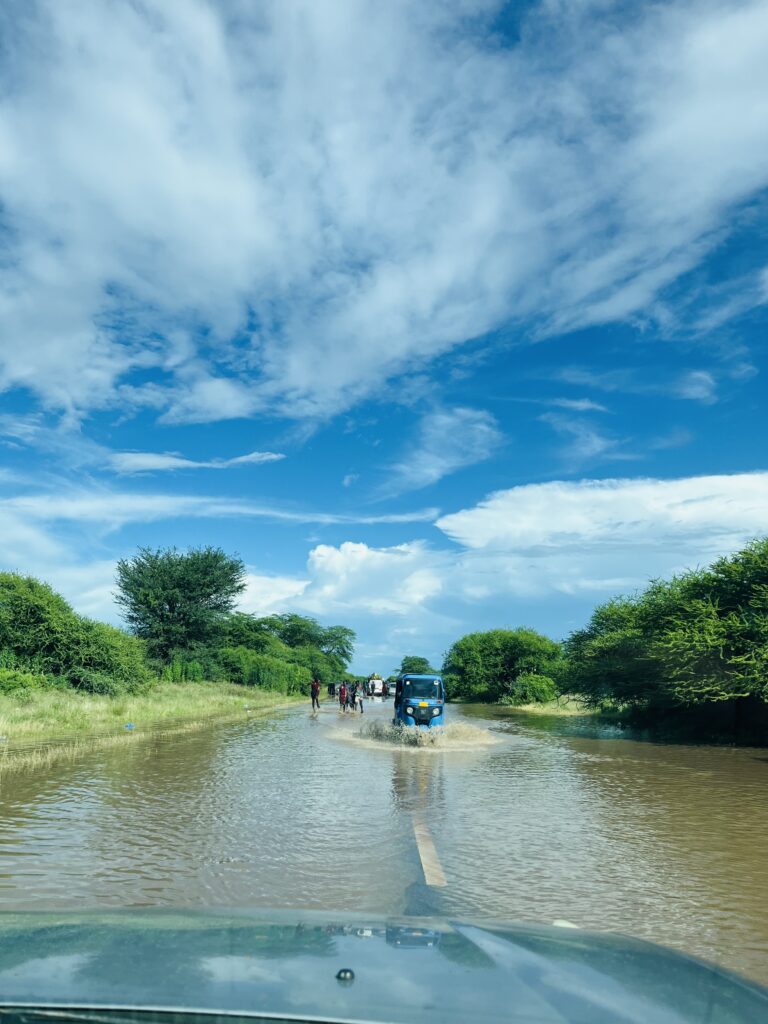
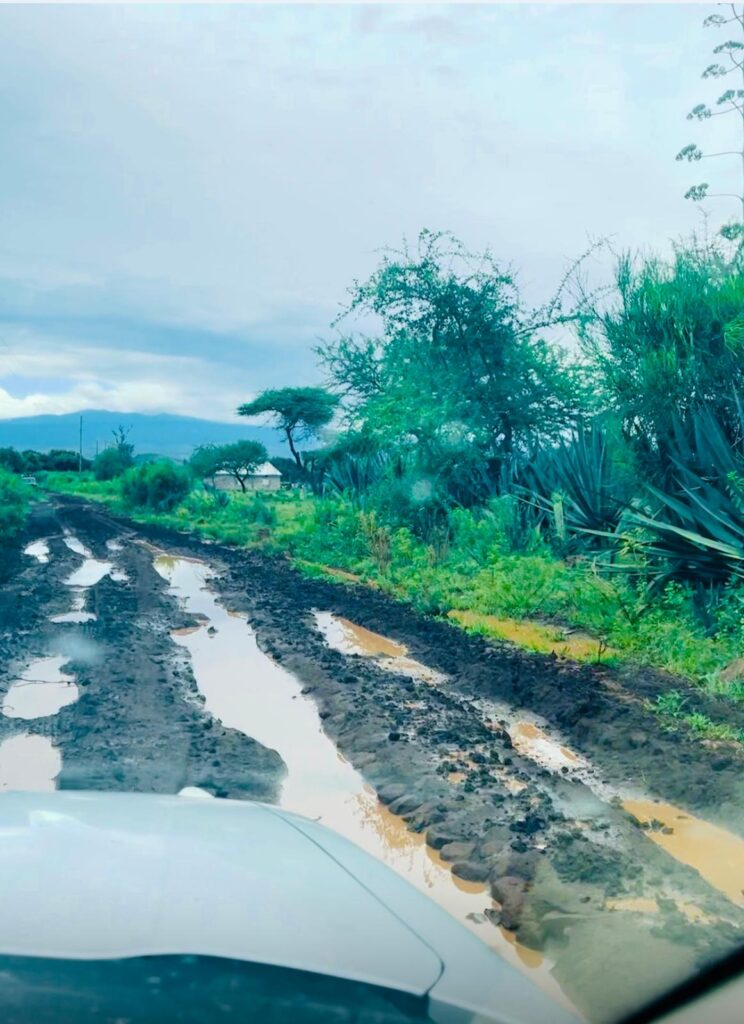
Tanzania’s weather patterns are shaped by two main rainy seasons and two dry seasons. But even during the rainy seasons, it usually doesn’t rain all day. Rains come in short intense bursts, which can be quite enjoyable as life comes to a temporary halt. The main disadvantage of the rainy season is that everything gets really muddy. Some roads may be in bad shape, and even flooding is common.
The table below gives an indication of the climate per season, but you should know that in recent years the weather has not complied strictly with these averages. It is more of a rough guide.
Climate Overview by Season
| Season | Months | Conditions | Highlights |
|---|---|---|---|
| Long Dry Season | June–October | Clear skies, minimal rain | Best for safaris, migration, beaches |
| Short Rains | November–mid‑December | Light showers | Fewer tourists, lush landscapes |
| Short Dry Season | Mid‑December–February | Warm and relatively dry | Calving season in southern Serengeti |
| Long Rains | March–May | Heavy rainfall | Lush scenery, low prices |
Best Time to Visit Tanzania for a Safari
Dry Season: June–October
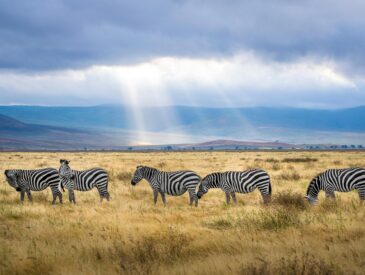
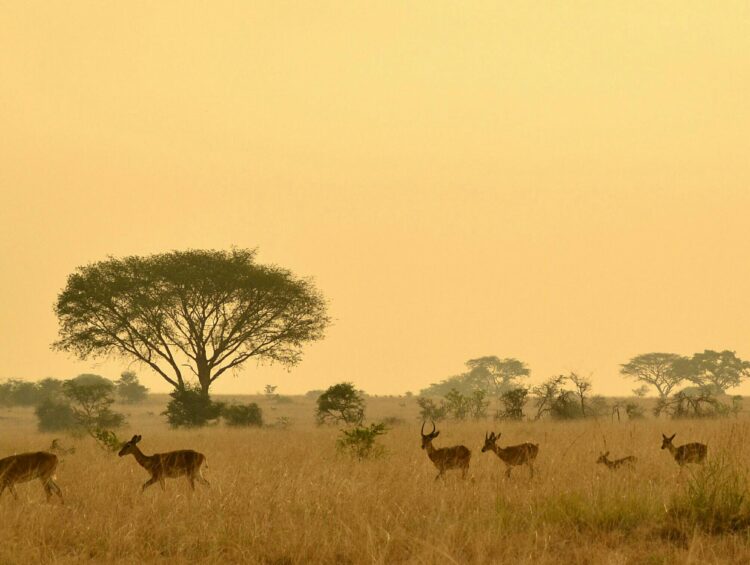
This is widely considered the best time to visit Tanzania if you plan to go on a safari, especially in the classic northern circuit (Serengeti, Ngorongoro, Tarangire, Lake Manyara). Dry conditions mean:
- Sparse vegetation for easier wildlife spotting
- Animals cluster near water sources
- Roads are generally passable (less mud)
- Fewer mosquitoes
The Great Migration, one of the world’s most famous wildlife spectacles, has its most dramatic moments during this season:
- May–June: Herds begin moving north
- July–September: Iconic Mara River crossings
- September–November: Herds move back south
For more details about the Great Migration, see my post The Great Migration in Tanzania: When, Where & Why to See It.
Green/Wet Season: November–May
While traditional safari crowds thin during the rains, there are good reasons to visit:
- Birdwatching peaks, especially November–December and March–May
- Fewer tourists and lower prices
- Lush green landscapes and newborn animals (especially around February in the southern Serengeti – Ndutu region)
- Predator activity continues despite rain
Be aware that March–May is the peak rainy season, and heavy rains can disrupt travel plans or make some roads difficult to navigate, even though it usually doesn’t rain all day.
I personally find the country at its most beautiful during this season because the vegetation is lush and green. However, this has the disadvantage that it may be less easy to spot animals on your safari because they hide in the long grass.
Want to dive deeper into safari planning? Read my Ultimate Tanzania Safari Guide.
Best Time to Visit Zanzibar & The Coast
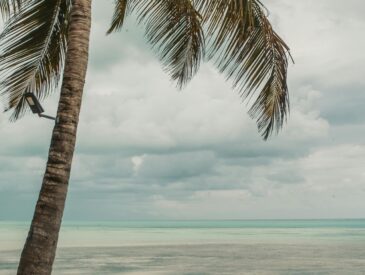
Zanzibar and the nearby islands have warm, tropical weather year‑round but they have their own sweet spots in terms of timing:
- June–October: Dry season, ideal for beach days, snorkeling, diving, and sailing
- December–February: Warm beach weather with calmer seas
- March–May: Heavy rains may affect water activities and travel plans
This makes Zanzibar a great add‑on to a safari trip in the dry season.
Learn more about Zanzibar in my Zanzibar Travel Guide.
Best Time to Climb Mount Kilimanjaro
For Kilimanjaro, you want clear skies and minimal rain:
- January–March – Warmer and less crowded
- June–October – Drier weather and clearer views
Avoid heavy rainfall months (especially April and May) when trails can become muddy.
Check out my Complete Guide to Climbing Mount Kilimanjaro for packing tips, route options, and acclimatization advice.
Traveling During the Rainy Season: Pros & Cons
Pros:
- Lower travel costs
- Fewer crowds
- Lush landscapes and excellent birding
Cons:
- Some lodges and camps close temporarily
- Travel in remote parks can be challenging
- Wildlife viewing varies by region and rain intensity
If you’re a budget‑conscious traveler or photographer who loves green scenery, the rainy season can be a rewarding choice.
Festivals and Events in Tanzania
Timing your trip with local events can be a fun way to experience the country’s culture. Consider attending for example:
- Sauti Za Busara Festival
East Africa’s largest music festival, this is without a doubt my favorite festival that I’ve attended in Tanzania. It takes place every year around mid-February, in Zanzibar’s Stone Town. Check the festival website for the latest information on dates and lineup. - Zanzibar International Film Festival (ZIFF) – July
- Mwaka Kogwa – Traditional Swahili New Year in July
- Eid celebrations – Dates vary yearly
View more in the Events section of this site.
Final Thoughts: Choose Based on Your Priorities
There’s no single perfect best time to visit Tanzania — the best timing depends on what you want to get out of your trip:
- June–October: Classic safari season and prime migration viewing
- January–February: Calving season and abundant wildlife births
- Rainy months (March–May, November): Birdwatching, lush scenery, and lower prices
- December–February: Beach season on Zanzibar with warm weather
Tanzania promises unforgettable landscapes, iconic wildlife encounters, and vibrant culture no matter when you go.
Related Guides:
- What to Pack for Tanzania – My packing recommendations for all seasons
- Ultimate Safari Guide to Tanzania – Detailed planning for national parks and wildlife
- Complete Guide to Climbing Mount Kilimanjaro – Routes, best months, and tips
- Where to Stay in Zanzibar: Best Beaches, Towns & Resorts – Beach planning essentials