 Saskia
 Malaria is probably the health topic I get asked about most, along with Tanzania yellow fever requirements. And it makes sense. It sounds scary, especially if you’ve never traveled to a country where it’s genuinely present. In this post I’ll give you an honest, practical overview: what the risk actually is, whether you need pills, which options you have, and how to protect yourself beyond medication.
👉 For the full rundown of everything to bring, health-related and otherwise, see my Tanzania packing list.
Note: I’m not a doctor, and this post is not medical advice. Always consult a travel clinic or GP before making decisions about medication.
What Is Malaria?
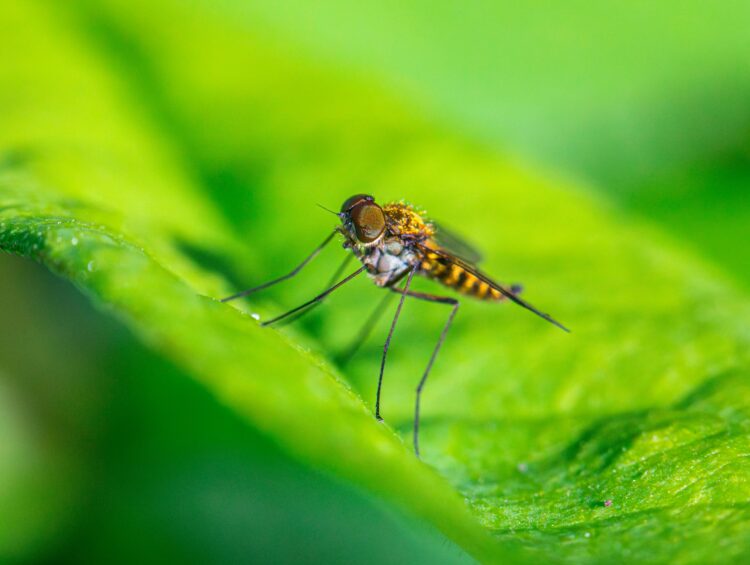
Malaria is an infectious disease transmitted through mosquitoes. These mosquitoes bite mainly from dusk to dawn.
Symptoms can be mild or life-threatening. They typically appear between 7 and 30 days after being bitten, though it can be as fast as 7 to 10 days.
Symptoms include:
- Fever and chills (often cyclical)
- Headache
- Muscle aches and fatigue
- Nausea and vomiting
Malaria can initially feel like a bad flu, but some types can cause severe illness and death. Infants, children under 5 years, pregnant women and girls, travellers and people with HIV or AIDS are at higher risk of severe infection.
Is Malaria a Real Risk in Tanzania?
Yes, it is. Malaria is present throughout mainland Tanzania year-round, including in and around Arusha, the Serengeti, the northern safari circuit, and the coast. Zanzibar also has malaria risk.
Not all parts of Tanzania carry the same level of risk:
- Northern safari circuit (Serengeti, Ngorongoro, Tarangire): Risk is present, though game drives during the day carry less exposure than evenings and nights.
- Arusha: Risk exists, but at around 1,400m above sea level, the higher altitude reduces mosquito activity meaningfully compared to coastal areas.
- Zanzibar and the coast: The warm, humid climate is more favorable for mosquitoes than highland areas like Arusha. Take precautions accordingly.
- Kilimanjaro: The mountain itself above around 2,000m is generally considered low or no risk, but areas at the base do have some risk.
- Southern safari circuit (Ruaha, Nyerere/Selous): Malaria is present; take the same precautions as elsewhere in Tanzania, and be aware that medical facilities in these remote areas are very limited.
It is worth mentioning your specific itinerary to your GP when discussing medication.

Do I Need Malaria Pills for Tanzania?
This is the single most common question, and the honest answer is: it depends, but for most travelers to Tanzania, the answer is yes.
Medical guidelines from organizations like the WHO and the CDC recommend antimalarial medication for travel to Tanzania, including Zanzibar and safari destinations.
If you are visiting only urban areas like Dar es Salaam for a very short time, your doctor might assess the risk differently. But for anyone going on safari, traveling in rural areas, or spending more than a few days in the country, medication is generally advised.
Consult a travel clinic 4 to 6 weeks before departure to discuss what’s right for your specific itinerary, health history, and budget.
Which Malaria Tablets Should You Get for Tanzania & Zanzibar?
There are three main options most commonly prescribed. Each has real trade-offs.
Malarone (Atovaquone-Proguanil)
Malarone is widely favored, and for good reason. It has relatively mild side effects for most people and a convenient dosing schedule: you start one or two days before arrival, take it daily, and stop seven days after leaving the malaria zone.
The main downside is cost. It is generally more expensive than the alternatives, especially for longer trips. It is not ideal if you’re planning to stay for weeks or months.
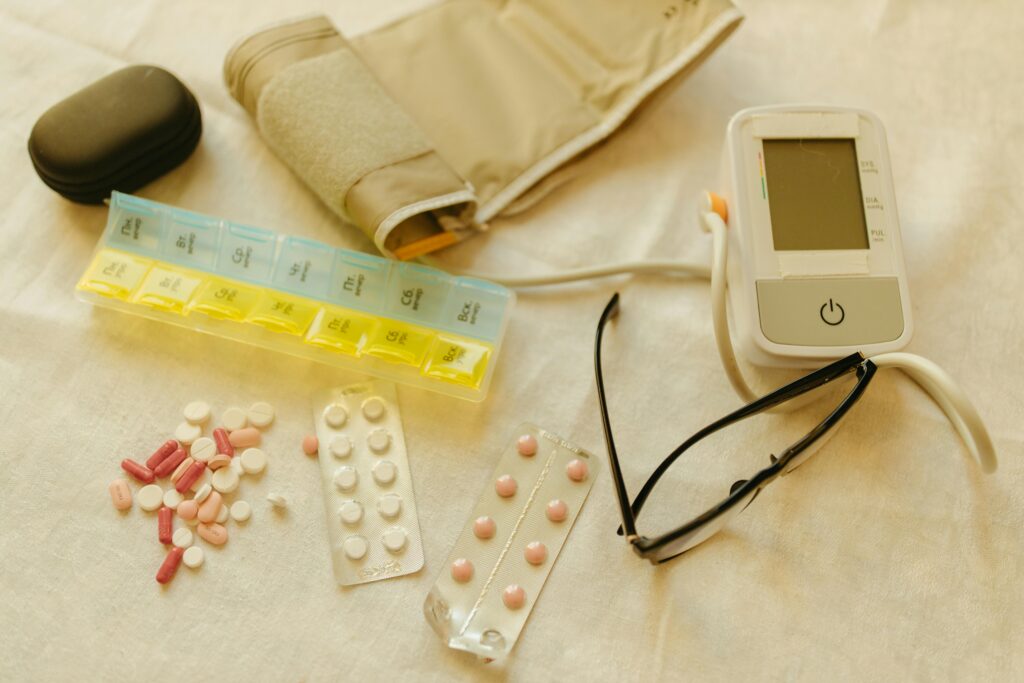
You can find pill organizers on Amazon to keep your daily medication schedule on track — useful when you’re moving around a lot.
Doxycycline
Doxycycline is a cheaper antibiotic that doubles as malaria prophylaxis. You start two days before arrival and must continue for four weeks after leaving, which is a longer tail than Malarone. It is taken daily.
The main side effect to be aware of is sun sensitivity — it makes your skin much more prone to burning, which is worth knowing if you’re planning beach time in Zanzibar. Some people also experience stomach upset, nausea, and diarrhea; taking it with food helps. It’s not suitable during pregnancy or for children under 8.
Lariam (Mefloquine)
Lariam has fallen out of favor with many travelers due to its potential neuropsychiatric side effects, including vivid dreams, anxiety, and in some cases more serious mood disturbances. It does have the advantage of a weekly rather than daily dose.
Most travel clinics today recommend Malarone or Doxycycline first, but Lariam may still be prescribed in certain circumstances, particularly if the others are not suitable. If your doctor recommends it, it’s worth discussing the side effect profile honestly.
Prevention Beyond Pills
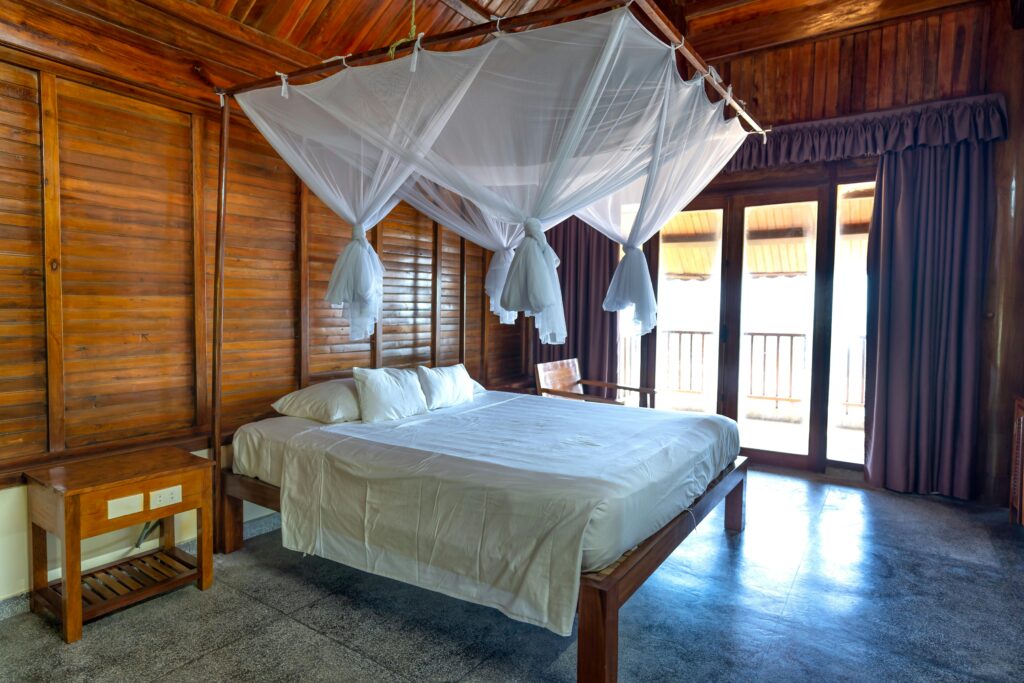
Medication is one layer of protection. Other things matter too, and together they reduce your risk significantly. Timing is crucial: mosquitos are most active at dusk and dawn. Being inside or covered during those times makes a big difference.
Mosquito repellent is a non-negotiable. Use a spray with at least 20–30% DEET or Picaridin. Apply it in the evenings and at night, especially if you’re sitting outside.
Mosquito nets: Most lodges, camps, and guesthouses in Tanzania provide them, but quality varies. If you’re staying in budget accommodation or camping, consider bringing a portable travel mosquito net. Tuck it in properly every night.
Clothing helps more than people expect. Long sleeves and trousers after sunset, especially during outdoor dinners or evening game drives, reduce bites. Light-colored fabrics are said to attract mosquitoes less.
Spray clothes and your tent with permethrin spray for an extra layer of protection.
In addition, you can use mosquito repellent coils or plant-based balls, and check if your accommodation has window screens to keep mosquitos out.
For a full packing list including mosquito protection gear, see my Tanzania packing guide.
What If You Do Get Malaria?
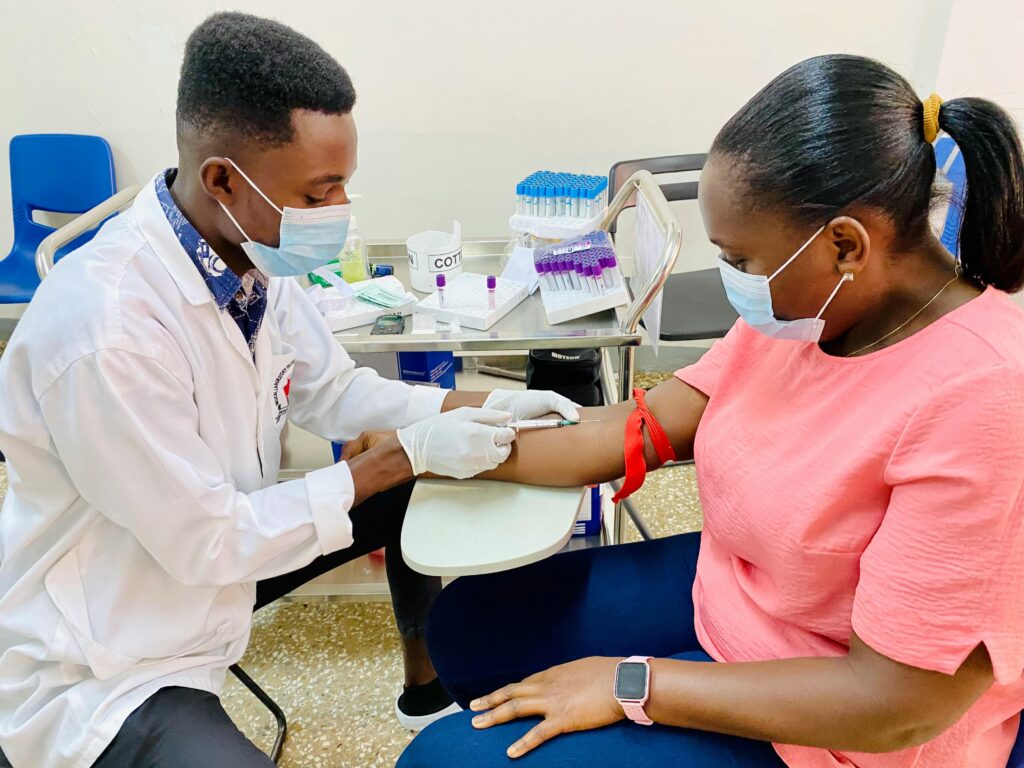
If you become unwell while in Tanzania and suspect malaria, it’s important to get tested and treated quickly. Getting treatment early can stop the infection from becoming severe. Treatment consists of taking pills, or sometimes injections, and in severe cases hospitalization.
Malaria testing using rapid diagnostic tests should be available at clinics and hospitals in major towns and cities, but medical facilities across Tanzania are generally basic by Western standards. In Arusha and Dar es Salaam there are private clinics used by expats and international travelers, but in more remote areas like safari parks, medical care is very limited. If you become seriously ill, evacuation to Nairobi or further may be needed. All the more reason to take prevention seriously before and during your trip.
Also, make sure your travel insurance covers medical treatment in Tanzania, and evacuation if needed. I cover this in more detail in my health and safety guide.
It is also possible to develop symptoms after your trip to Tanzania — up to four months after returning home. In that case, see a doctor immediately and tell them you’ve been in a malaria-endemic area. Early diagnosis and treatment are key.
What Do People Living in Tanzania Actually Do?
Here’s something you won’t often read in official travel guides: most locals and long-term expats in Tanzania do not take antimalarial medication. Staying on prophylaxis indefinitely isn’t practical or affordable for people living there.
Instead, they focus on prevention: mosquito nets, repellents, and long sleeves in the evening. People do get malaria sometimes, and can get very ill, but usually recover.
I’m sharing this not to suggest tourists skip medication, but so you understand the full picture. For a short-term visitor who is not used to exposure and whose body has no acquired immunity, the calculation is different. Taking prophylaxis for a two-week trip makes good sense, even if the locals around you aren’t doing the same.
Final Thoughts
Malaria in Tanzania is a real consideration, but it’s a manageable one. With the right medication, consistent use of repellent, a mosquito net, and some common sense about covered evenings, you can significantly reduce your risk and travel with confidence.
Don’t let the topic put you off — Tanzania is absolutely worth it. Just go prepared.
💡 To stay updated on the latest health information, even when you do not have internet, consider downloading the Wanda app by the Institute of Tropical Medicine.
For more on staying healthy and safe during your trip, read my health and safety guide for Tanzania. And for general trip preparation, my Tanzania travel preparation guide covers visas, packing, and everything else you need before you go.
You May Also Like:
- Tanzania Yellow Fever Requirements 2026: Do You Really Need the Shot?
- What to Pack for Tanzania
- What I Wish I Knew Before Visiting Tanzania
- Tanzania Visa Requirements and Entry Regulations
This post contains affiliate links. If you purchase through them, I may earn a small commission at no extra cost to you.